
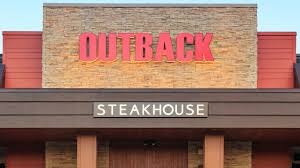
Navigating an Outback Steakhouse Slip and Fall Case: What You Need to Know
Dining out should be a relaxing experience, but for some, a visit to a popular chain like Outback Steakhouse can end in a distressing accident. Slip and fall incidents are among the most common types of personal injury claims in the hospitality industry. If you have been injured, understanding the legal landscape of a slip and fall case is crucial to securing the compensation you deserve.
What is Premises Liability?
At the core of any Outback Steakhouse slip and fall case is the concept of premises liability. This legal doctrine holds that business owners have a duty of care to maintain a safe environment for their guests. When a restaurant fails to address a known hazard—or fails to discover a hazard they should have known about—they may be held legally responsible for resulting injuries.
To succeed in a claim, a plaintiff generally needs to prove that the establishment was negligent. You can learn more about the general principles of premises liability to understand how these laws apply to commercial spaces.
Common Causes of Accidents at Restaurants
Several factors can lead to a hazardous environment in a high-traffic restaurant. Some of the most frequent culprits in slip and fall cases include:
- n
- Unmarked Spills: Liquid or food dropped on the floor without a “Wet Floor” warning sign.
- Poor Maintenance: Worn-out carpeting or uneven flooring that creates tripping hazards.
- Inadequate Lighting: Dimly lit areas that prevent guests from seeing obstacles.
- Obstructed Walkways: High chairs, bags, or cleaning equipment left in guest paths.
Critical Steps to Take After a Fall
If you find yourself in the middle of a potential Outback Steakhouse slip and fall case, the actions you take immediately following the accident can significantly impact your legal outcome:
- Report the Incident: Immediately notify a manager. Ensure that an official incident report is filed and request a copy for your records.
- Document the Scene: Use your smartphone to take photos and videos of the hazard, the surrounding area, and any lack of warning signage.
- Seek Medical Attention: Some injuries, like concussions or soft tissue damage, may not be immediately apparent. A medical record provides essential proof of injury.
- Identify Witnesses: Collect contact information from other diners or staff members who saw the fall.
- Consult a Personal Injury Attorney: Legal complexities can make it difficult to deal with corporate insurance companies alone.
Seeking Fair Compensation
A successful legal claim can help cover the financial burden caused by the accident. Depending on the severity of the injuries, compensation may include:
- Medical bills (emergency room visits, physical therapy, medications).
- Lost wages due to time missed from work.
- Pain and suffering for physical and emotional distress.
- Future medical expenses for long-term rehabilitation.
Dealing with a large corporation can be intimidating, but knowing your rights is the first step toward justice. If you believe negligence led to your injury, professional legal guidance is the most effective way to navigate the complexities of a personal injury lawsuit.



