
The High Cost of Greed: A $30 Million Betrayal of Trust
In a staggering display of exploitation, federal law enforcement has recently dismantled a sophisticated health care fraud ring in Ohio. The scheme, which siphoned approximately $30 million from Medicaid, didn’t just steal taxpayer money—it preyed on the most vulnerable members of society: children in need of behavioral health services.
The details are harrowing. Two state employees and two co-conspirators are accused of billing for psychotherapy and therapeutic behavioral services that were never actually rendered. The victims? Young adults and children attending church groups, summer camps, and recreational programs. To facilitate the fraud, the ringleaders allegedly diagnosed every single recipient with a “behavioral adjustment disorder” without conducting a single assessment test.
Luxury Lives Funded by Fraud
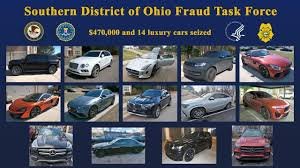
While the children received no care, the perpetrators lived in opulence. As part of the investigation, federal authorities seized 14 luxury vehicles, showcasing the blatant disregard for the law. The seized fleet included:
- n
- Maserati
- Bentley
- McLaren
- Mercedes-Benz
A National War on Fraud: The Trump Administration’s Strategy
The Ohio case is not an isolated incident but part of a broader offensive. Acting Attorney General Todd Blanche revealed that this case is one of several unsealed this past week, totaling nearly $50 million in identified fraud. This surge in enforcement is driven by the Task Force to Eliminate Fraud, led by Vice President JD Vance.
The administration’s goal is clear: beef up the fight against those who defraud federal and state government programs. This effort has culminated in the creation of the National Fraud Enforcement Division, a powerhouse unit that merges various Justice Department offices, including the specialized healthcare fraud section.
Beyond Medicaid: A Pattern of Systemic Scams
The fight against health care fraud extends far beyond Ohio. Investigative reports have highlighted other alarming trends across the United States:
- n
- Hospice Fraud in Los Angeles: An analysis of roughly 1,800 hospices in LA County found that over 700 triggered multiple “red flags” for fraud based on state auditor indicators.
- The Aimee Bock Case: In Minnesota, prosecutors are targeting a massive $250 million COVID-era scheme designed to defraud programs intended to feed hungry children.
- Romance Scams: The FBI and DOJ are also aggressively pursuing romance fraud rings that target elderly Americans through social media and dating sites.
Data-Driven Enforcement and Political Friction
To stay ahead of fraudsters, the Justice Department has entered into new data-sharing agreements, such as one with the Ohio Secretary of State. This allows officials to use proactive data analysis to uncover hidden ownership links between billing entities and the criminals behind them.
However, the crackdown has not been without political tension. Federal officials have accused certain Democratic-led states of failing to cooperate. A notable example is the decertification of Hawaii’s Medicaid Fraud Control Unit, which the FTC claims was one of the lowest-performing units in the country despite receiving millions in funding.
Staying Vigilant Against Healthcare Scams
The appointment of a permanent Attorney General and the unveiling of the FBI’s “Most Wanted Fraudsters” list signal a new era of accountability. For citizens and providers, the message is clear: the federal government is increasing its surveillance and prosecution of health care fraud to ensure that essential services actually reach the people who need them most.
For more information on how to report suspicious activity, visit the HHS Office of Inspector General.



