Non-Fungible Tokens: A Resilient Market Beyond the Hype
The non-fungible token (NFT) market, once characterized by explosive growth, has experienced a significant cooling period. Valuations have fallen dramatically from their 2021/22 peaks, and even prominent industry events like NFT Paris were forced to cancel just weeks before their scheduled opening. However, despite these challenges, the NFT space is far from defunct, according to industry insiders.
A Market Driven by Collectors, Not Just Speculators
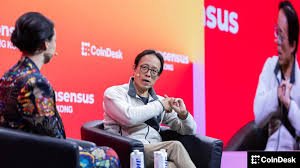
Yat Siu, co-founder of Animoca Brands, a leading Web3 development and venture capital firm, emphasizes that a vibrant NFT marketplace continues to thrive, fueled by wealthy collectors. He draws a parallel to traditional art collecting, noting that some investors are genuinely passionate about digital art, much like a family office heir might be a collector of Picasso’s work.
“NFTs remain popular among wealthy collectors, absolutely,” Siu stated during an interview at the CfC St. Moritz crypto conference. “I’m a big collector myself, and I share similar insights with my peers. It’s a community. A Picasso collector has an affinity for others who collect Picasso; it’s a club. The same applies to Ferraris, Lamborghinis, or Rolex watches – NFTs are simply the digital version.”
Long-Term Vision and Portfolio Resilience
While acknowledging a substantial decline in his personal NFT portfolio – “down like 80% or something” – Siu clarifies that his purchases were never intended for quick profits. “These are long-term assets that matter,” he asserts. This sentiment highlights a shift towards a more sustainable, collector-driven market, less reliant on speculative trading.
A Brief History and Current Landscape
NFTs first emerged on the Ethereum blockchain in late 2017 with the popular CryptoKitties game. Like many trends in the cryptocurrency space, NFTs have experienced cyclical waves of interest, peaking in 2021/22 with monthly sales exceeding $1 billion. Currently, monthly sales hover around $300 million, primarily driven by affluent digital art enthusiasts.
High-profile collectors like billionaire Adam Weitsman have been actively acquiring NFTs, including Otherdeed lands (representing virtual land in Yuga Labs’ Otherside metaverse) and Bored Ape Yacht Club NFTs, publicly demonstrating continued confidence in the asset class.
Siu points out the relative youth of the market: “Remember that five years ago, this was a zero-dollar market. So, it’s all relative and depends on your perspective. And, of course, the beauty of this is that all the data is publicly available on the blockchain.” You can explore blockchain data on platforms like Etherscan.
Challenges and Concerns: The Cancellation of NFT Paris
The cancellation of NFT Paris, while not indicative of the NFT market’s overall health, does highlight broader challenges. Siu attributes the cancellation not to a lack of interest in NFTs, but to a shift in France’s stance towards cryptocurrency. He notes increased scrutiny of projects like Sorare by gambling regulators and a growing anti-crypto sentiment across Europe.
Security concerns also played a role. France has experienced a rise in kidnapping and abduction attempts targeting crypto executives and investors, leading many, including Siu, to avoid the event due to safety concerns.
Looking Ahead
Despite the current headwinds, the NFT market demonstrates resilience, driven by a dedicated community of collectors and a long-term vision for the technology. While the speculative frenzy of 2021/22 may be over, the underlying potential of NFTs – as unique digital assets with verifiable ownership – remains strong.