
Allan Schoenborn: The Legal Battle Over Conditional Discharge and Public Safety
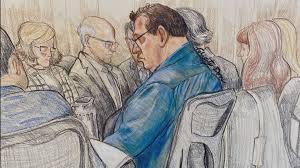
The case of Allan Schoenborn continues to spark intense debate across British Columbia. Nearly two decades after a tragedy that shook the nation, Schoenborn is once again in the spotlight as he seeks a one-year conditional discharge from the B.C. Review Board.
A Haunting History: The Path to Not Criminally Responsible (NCR)
To understand the current tension, one must look back 18 years. Allan Schoenborn was found guilty of the killing of his three young children—Cordon (5), Max (8), and Kaitlynne (10)—within their family home in Merritt, B.C. However, the legal outcome was complex; he was deemed Not Criminally Responsible (NCR) due to a mental disorder.
Under the Canadian legal system, the Canadian Charter of Rights and Freedoms and the Criminal Code provide a framework for those found NCR, focusing on treatment and public safety rather than traditional punitive incarceration. For years, Schoenborn has been under the supervision of forensic facilities, eventually moving to a supervised transitional care setting.
The Push for Freedom: From Allan Schoenborn to Ken John Johnson
In a move to distance himself from his past, Schoenborn legally changed his name to Ken John Johnson in 2021. Recently, his legal team and psychiatric evaluators have pushed for a conditional discharge—a significant legal step that could eventually lead to a full discharge, granting him the status of a free citizen.
During a hearing in June 2024, the board learned several key points regarding his current status:
- n
- Unescorted Leave: He has already been granted unescorted leave from the hospital (known as Colony Farm) for periods of up to 28 days without incident.
- Psychiatric Testimony: His forensic psychiatrist suggested that the public should “lighten up” and focus on his record of progress rather than judging him by his past.
- Remorse: Schoenborn expressed regret for an outburst during a previous hearing, signaling an attempt at behavioral stability.
The Voice of the Victims: Concerns Over Public Safety
While the medical reports suggest progress, advocates for the victims’ families are sounding the alarm. Dave Teixeira, a prominent victim’s rights advocate, argues that a conditional discharge is a dangerous “stepping stone.”
“What we’ve heard is he’s not going through any real treatment programs, he’s refusing any sort of community integration programs, he doesn’t want to get a job,” Teixeira stated. “Put them all together, combined with someone who has been in institutional care for 15 years and tends towards violence, it’s a big concern.”
What Happens Next?
The B.C. Review Board is currently weighing the psychiatric evidence of stability against the concerns of victim advocates and the gravity of the original crimes. A decision on the conditional discharge is expected shortly, and it will likely set a precedent for how the province balances rehabilitation with the psychological needs of victims’ families.
As the community awaits the verdict, the case of Allan Schoenborn remains a poignant reminder of the complexities within the Canadian forensic mental health system.



