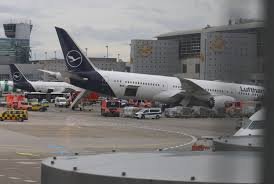
The Boeing 787 Dreamliner: A Leap Forward in Aerospace Engineering
For decades, long-haul flights were often associated with exhaustion, dry cabin air, and massive fuel consumption. However, the introduction of the Boeing 787 Dreamliner fundamentally changed the narrative of modern aviation. By blending sustainable engineering with a passenger-centric design, this aircraft has set a new gold standard for how we traverse the globe.
What Makes the Dreamliner a Game-Changer?
The Boeing 787 is not just another airplane; it is a marvel of material science. Unlike traditional aircraft built primarily from aluminum, the Dreamliner utilizes a significant amount of carbon-fibre reinforced polymers. This strategic choice of materials offers two primary advantages:
- n
- Weight Reduction: Lighter materials mean the aircraft requires less energy to stay airborne.
- Corrosion Resistance: Composite materials are far more resistant to corrosion, reducing maintenance costs and increasing the aircraft’s lifespan.
Enhancing the Passenger Experience
If you have ever flown on a 787, you likely noticed that you felt less “jet-lagged” and dehydrated. This isn’t a coincidence. The Dreamliner incorporates advanced systems to improve the cabin environment:
- Higher Humidity Levels: Because the composite hull doesn’t rust, Boeing was able to increase the cabin humidity, preventing the typical dry throat and skin associated with flying.
- Lower Cabin Altitude: The cabin is pressurized to a lower altitude than traditional jets, meaning more oxygen reaches your bloodstream, significantly reducing fatigue.
- Dimmable Windows: Instead of plastic shades, the 787 features electrochromic windows that tint at the touch of a button, offering a seamless view of the horizon.
Sustainability and Efficiency in the Skies
In an era where the aviation industry is under pressure to reduce its carbon footprint, the Boeing 787 stands as a beacon of efficiency. Its engines are designed to be significantly quieter and more fuel-efficient than their predecessors, resulting in fewer CO2 emissions per passenger.
By optimizing aerodynamics and utilizing the latest in propulsion technology, the Dreamliner allows airlines to open “long-thin” routes—connecting smaller cities across vast oceans that were previously not economically viable.
Conclusion: The Legacy of the Dreamliner
The Boeing 787 Dreamliner represents more than just a technical achievement; it represents a shift toward a more sustainable and human-friendly way of flying. As we look toward the future of aerospace, the innovations pioneered by the 787 continue to influence how the next generation of aircraft will be built.
Whether you are a frequent flyer or an aviation enthusiast, there is no denying that the Dreamliner has made the world feel a little smaller and the journey a lot more pleasant.