The Ripple Effect: Why Your Next Flight Might Be Cancelled
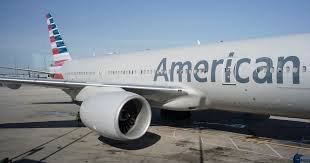
Air travel is facing a turbulent period. In a move that signals growing economic pressure, American Airlines has announced temporary route reductions for August and September. The primary culprit? A sharp spike in jet fuel costs driven by escalating geopolitical tensions and the ongoing war in Iran.
For many travelers, these adjustments might mean a change in plans, but for the aviation industry, it is a necessary survival tactic to combat volatile operating expenses.
The High Cost of Staying Airborne
To understand why a conflict thousands of miles away affects a flight departure in North America, one must look at the balance sheets of major carriers. According to industry analysts, jet fuel typically accounts for 25% to 30% of an airline’s total operating costs.
When global oil supplies are choked—as is currently the case due to the instability in Iran—the price per gallon skyrockets. This creates a financial squeeze that airlines must manage through several strategies:
- n
- Temporary Route Suspensions: Cutting flights that are no longer profitable under current fuel prices.
- Price Adjustments: Implementing fuel surcharges or raising base ticket fares.
- Increased Ancillary Fees: Raising costs for services like checked baggage.
A Global Trend: It’s Not Just American Airlines
American Airlines isn’t fighting this battle alone. The surge in jet fuel prices is a systemic issue affecting the entire globe. Other major players have already begun adjusting their models:
- Delta Air Lines: Has increased baggage fees, citing “evolving global conditions.”
- European Carriers: Both KLM Royal Dutch Airlines and Lufthansa have announced similar route cuts to offset the financial burden of energy costs.
For more information on how energy markets impact global transport, you can explore the latest reports from the U.S. Energy Information Administration (EIA), which tracks global petroleum trends.
What This Means for Passengers
If you have a booking for late summer or early autumn, it is advisable to keep a close eye on your itinerary. American Airlines has assured customers that those affected by the temporary route cuts will be accommodated through rebooking on alternative flights or provided with a full refund.
While the airline emphasizes that these cuts are not permanent, the situation serves as a stark reminder of how interconnected the travel industry is with global politics and energy markets. As long as the supply of oil remains unstable, the cost of jet fuel will continue to be the deciding factor in whether a flight takes off or stays grounded.
Stay tuned for more updates on travel trends and aviation news.