
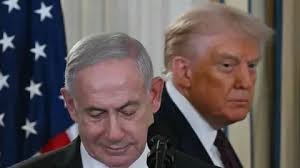
Trump and Benjamin Netanyahu: A High-Stakes Clash Over Middle East Strategy
The long-standing alliance between the United States and Israel is facing a moment of turbulence. Recent reports suggest a significant rift between Donald Trump and Israeli Prime Minister Benjamin Netanyahu, sparked by military actions in Lebanon that have reportedly jeopardized Washington’s delicate diplomacy with Iran.
In a surprising turn of events, Trump recently confirmed in an interview with the Pod Force One podcast that he had called Netanyahu “effing crazy” during a phone call. While Trump clarified that he wouldn’t say he was “angry,” he admitted to being “perturbed” by Netanyahu’s persistent military engagements in Lebanon, which clash with Trump’s broader strategic goals for the region.
The Lebanon Crisis: Where Interests Diverge
At the heart of the conflict is a fundamental disagreement over the approach to Iran and its proxies. While both leaders share the primary goal of preventing Iran from acquiring nuclear weapons, their tactical execution differs:
- Trump’s Objective: Seeking a deal to extend the US-Iran ceasefire and reopen the Strait of Hormuz, a critical global shipping lane, to avoid an unpopular and costly war.
- Netanyahu’s Objective: A steadfast commitment to targeting the Iran-backed Hezbollah militia in Lebanon, regardless of the diplomatic ripple effects in Washington.
This divergence has created a diplomatic crisis, with Tehran threatening to suspend talks with the US in response to Israeli strikes, potentially stalling Trump’s efforts to stabilize the region.
A History of Friction with the White House
For those familiar with Benjamin Netanyahu, this friction is far from new. The Israeli Prime Minister has a well-documented history of testing the patience of various US presidents to protect his own political agenda. Experts, including those from the Council on Foreign Relations, often note Netanyahu’s tendency to operate independently of White House guidance.
Historical clashes include:
- Bill Clinton: Disagreements over the implementation of the Oslo peace accords.
- Barack Obama: A notoriously strained relationship, peaking with Netanyahu’s unscheduled 2015 speech to Congress regarding Iran.
- Joe Biden: Tensions flared after accusations that the US was withholding essential weapons and ammunition.
Domestic Pressure and the Shift in Public Opinion
The tension is not merely diplomatic; it is political. In the United States, public sentiment is shifting. According to data from the Pew Research Center, a growing percentage of Americans hold a negative view of Israel, rising from 42% before the 2023 Hamas war to 60% in April 2024.
Some political analysts suggest that Trump may be intentionally creating “daylight” between himself and Netanyahu to appease domestic critics and conservative figures who are wary of being dragged into a wider Middle Eastern conflict due to Israeli pressure.
What Lies Ahead for the Alliance?
Despite the recent outbursts, Netanyahu continues to describe Trump as the “greatest friend to Israel” in US history. Both leaders share a desire to “break the mould” of traditional Middle East diplomacy and confront the Iranian axis head-on.
Whether this latest clash is a temporary tactical disagreement—as Netanyahu claims—or a sign of a deeper, permanent fracture remains to be seen. In the world of high-stakes geopolitics, the relationship between the US President and the Israeli Prime Minister is rarely smooth, but it remains one of the most consequential partnerships in global politics.



