
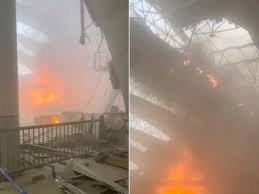
Escalation in the Gulf: Understanding the New Wave of Tensions
The geopolitical landscape of the Middle East has shifted once again as reports emerge of a significant escalation involving the United States, Iran, and neighboring Gulf states. In a move that has sent shockwaves through the region, the US has confirmed a military operation targeting Qeshm Island in Iran, sparking an immediate and volatile response from Tehran.
As the situation unfolds, the focus has shifted toward the stability of the Arabian Peninsula, with reports indicating that Iran has shifted its gaze toward Kuwait and Bahrain, raising alarms about a potential regional spillover.
The US Strike on Qeshm Island
The United States military has officially stated that it conducted a targeted strike on Qeshm Island. While the specific tactical goals of the operation remain classified, these actions are typically framed as deterrents against regional aggression or responses to specific security threats. The strategic importance of Qeshm Island, given its proximity to the Strait of Hormuz, makes any military action in the area high-risk.
For more detailed analysis on the military dynamics of the region, you can refer to the Reuters global news coverage.
Kuwait and Bahrain in the Crosshairs
In a swift retaliation or strategic pivot, Tehran has directed its attention toward Kuwait and Bahrain. This move is seen by analysts as an attempt to exert pressure on US allies in the Gulf and to signal that the consequences of US actions will be felt across the entire region, not just within Iranian borders.
- n
- Security Concerns in Kuwait: As a key diplomatic hub and energy giant, Kuwait finds itself in a precarious position, balancing its relationship with neighbors and global superpowers.
- Threats to Bahrain: With a significant US naval presence, Bahrain remains a primary target for Iranian strategic signaling.
- Regional Stability: The targeting of these nations threatens the fragile peace maintained through diplomatic channels in the Persian Gulf.
What This Means for Global Stability
The involvement of Kuwait and Bahrain in this conflict is not merely a local issue. The Persian Gulf is one of the world’s most critical corridors for energy transport. Any prolonged instability could lead to:
- Oil Price Volatility: Disruptions in the Gulf often lead to immediate spikes in global crude oil prices.
- Increased Military Presence: A likely surge in US and allied naval deployments to protect shipping lanes.
- Diplomatic Strains: A breakdown in the few remaining communication channels between Western powers and the Iranian government.
The international community is now looking toward the UN and regional mediators to prevent a full-scale conflict. For ongoing updates on the diplomatic efforts, follow the reports from Al Jazeera English.
Conclusion
The situation remains fluid. While the US strike on Qeshm Island was a targeted action, the subsequent targeting of Kuwait and Bahrain by Tehran suggests a broader strategy of regional destabilization. As the world watches, the resilience of Gulf diplomacy will be put to its ultimate test.



