
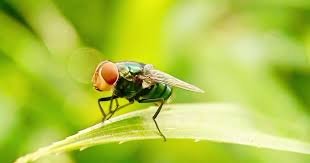
The Growing Threat: New World Screwworm Creeps Closer to the United States
In a concerning development for livestock owners and health officials, the New World screwworm—a parasitic fly known for eating living tissue—has been detected in Mexico, alarmingly close to the U.S. border. According to recent data from the U.S. Department of Agriculture (USDA), a case was identified in a 5-year-old goat in the state of Coahuila, just 25 miles from southwestern Texas.
This encounter marks one of the closest detections to U.S. soil in recent months, sparking concerns about the potential spread of this devastating parasite into American territory.
The Current Situation in Mexico
The state of Coahuila, which shares a border with Texas, is currently a hotspot for the parasite. Federal data indicates that officials have tracked 32 cases within the state, with 19 of those remaining active. On a broader scale, the situation across Mexico is significant:
- n
- Total Cases: At least 26,216 identified across the country.
- Active Infestations: Upward of 2,700 cases are still active.
- Proximity: The pest has consistently been found moving further north over the last three years.
What Exactly is the New World Screwworm?
Unlike many other flies that feed on decaying matter, the New World screwworm is a parasitic menace that targets warm-blooded animals and humans. According to the Centers for Disease Control and Prevention (CDC), the lifecycle of the parasite is particularly gruesome:
- Infestation: The fly lays its eggs in open wounds or natural orifices, such as the eyes, ears, nose, or mouth.
- Hatching: Once the larvae hatch, they begin to feed on the living tissue (flesh) of the host.
- Damage: This process can lead to severe tissue destruction and, if left untreated, can be fatal to livestock and pets.
Is the United States at Risk?
Currently, the USDA maintains that the screwworm “is not currently present” within the United States. The official stance is that the risk to people and livestock remains very low. However, the proximity of these cases suggests a tightening window of safety.
Texas officials have been on high alert since late 2024, following advisories from the state’s Parks and Wildlife Department. Furthermore, the U.S. has already seen a rare human case; a traveler returning to Maryland from El Salvador was confirmed to have a screwworm infestation last year. Fortunately, the individual recovered, and no further transmission was detected.
Staying Vigilant
While the USDA continues to monitor the border twice weekly, outdoor enthusiasts, farmers, and pet owners in border states should remain vigilant. Checking animals for open wounds and reporting unusual parasitic activity to local agricultural authorities is the first line of defense in keeping this flesh-eating parasite out of the U.S.



