
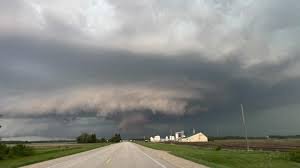
Severe Thunderstorm Warning: How to Protect Yourself and Your Home
Weather patterns in Canada can be unpredictable, and when a severe thunderstorm warning is issued, it is crucial to act quickly and decisively. Whether you are in the heart of Toronto or the prairies of Alberta, understanding these alerts can be the difference between safety and disaster.
In this guide, we will break down what these warnings actually mean and provide a comprehensive checklist to ensure you and your loved ones remain safe when the clouds turn dark.
What Exactly is a Severe Thunderstorm Warning?
A severe thunderstorm warning is not just a forecast; it is an urgent alert indicating that a storm with the potential for significant damage is either occurring or imminent in your area. According to Environment and Climate Change Canada, these warnings are typically issued when one or more of the following conditions are met:
- n
- High Wind Gusts: Winds reaching speeds that can knock down trees and power lines.
- Large Hail: Hailstones that can cause damage to vehicles, crops, and roofing.
- Intense Rainfall: Heavy downpours that may lead to flash flooding in urban or low-lying areas.
Immediate Actions: What to Do When a Warning is Issued
When you receive a severe thunderstorm warning on your phone or see it on the news, timing is everything. Follow these safety protocols immediately:
If You Are Indoors
The safest place to be is inside a sturdy building. Avoid open areas and follow these tips:
- n
- Stay Away from Windows: Glass can shatter due to high winds or flying debris.
- Avoid Electrical Appliances: Unplug sensitive electronics to protect them from power surges caused by lightning.
- Avoid Water: Do not take showers or baths, as plumbing can conduct electricity from a lightning strike.
If You Are Outdoors
If you are caught outside, your priority is to find shelter as quickly as possible.
- n
- Seek a Hard-Top Vehicle: If a building isn’t available, a car with a closed roof is a safer alternative than being in the open.
- Avoid Tall Objects: Stay away from isolated trees, utility poles, and fences.
- Get Out of Water: Immediately exit pools, lakes, or beaches.
If You Are Driving
Driving during a severe storm can be hazardous due to reduced visibility and hydroplaning.
- n
- Pull Over Safely: If visibility becomes too poor, pull over to a safe area away from trees or power lines.
- Keep Your Lights On: Ensure other drivers can see you through the heavy rain.
Preparing Your Home for Storm Season
Preparation is the best defense against weather-related damage. To minimize risks during the next severe thunderstorm warning, consider these proactive steps:
- Trim Overhanging Branches: Ensure large tree limbs are not resting on or hanging dangerously over your roof.
- Clear Your Gutters: Ensure rainwater can flow freely to prevent basement flooding.
- Assemble an Emergency Kit: Include a flashlight, batteries, a first-aid kit, and a portable power bank, as recommended by the Canadian Red Cross.
Conclusion
While we cannot control the weather, we can control how prepared we are. By staying informed and reacting swiftly to a severe thunderstorm warning, you significantly reduce the risks to your family and property. Stay vigilant, keep your devices charged, and always prioritize safety over convenience.



