
Juneteenth: Celebrating the True Meaning of Freedom and Black Heritage
For many, the American summer is defined by the fireworks and festivities of July 4th. However, there is another pivotal date that completes the narrative of liberty in the United States: Juneteenth. Observed every June 19th, Juneteenth is more than just a date on the calendar; it is a powerful commemoration of the realization of the American promise of “liberty and justice for all.”
The Journey to Liberation: From Proclamation to Reality
The road to freedom was not a single event, but a grueling journey. On January 1, 1863, President Abraham Lincoln issued the Emancipation Proclamation, legally ending slavery in the Confederate states. Yet, for thousands of enslaved people, this decree remained a distant whisper. Due to the slow transit of information and a lack of federal enforcement, the news took years to reach the furthest corners of the South.
The turning point came on June 19, 1865. Union General Gordon Granger arrived in Galveston, Texas, and issued General Order No. 3. This legal decree officially announced that all enslaved people in Texas were free, backed by the authority of the Union troops. This moment marked the dawn of a new era, transforming lives from forced labor to the pursuit of autonomy.
“I can only imagine that experience, to realize you’re no longer a slave. It’s a cause for celebration.”
— Aaron Watson, Founder of the Watson Firm.
The Evolution of a Federal Holiday
What began in Texas as “Jubilee Day”—a grassroots gathering of former enslaved people celebrating their newfound liberty—eventually grew into a national symbol of resilience. The tradition persisted through generations, serving as a bridge between the trauma of the past and the hope of the future. Recognizing its immense historical and cultural significance, the United States officially designated Juneteenth as a federal holiday in 2021.
Community in Action: “A Family Reunion for the Culture”
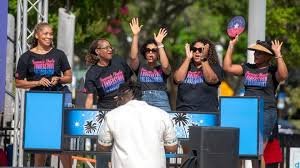
Across the country, Juneteenth is celebrated with festivals, family gatherings, and educational events. A shining example is the celebration hosted in Pensacola by the Watson Family Foundation. Their annual event, “A Family Reunion for the Culture,” emphasizes the importance of sharing the story of emancipation with the entire community.
The celebration is a vibrant tapestry of Black culture, featuring:
- n
- Live Entertainment: Performances by the Unfazed Show & Band, spoken word poetry by Abena and Haze Da Poet, and the rhythmic sounds of Polimbatree’s African drums.
- Cultural Traditions: A centerpiece “whole hog” feast, a tradition deeply rooted in African American heritage, with educational insights provided by community leader Mamie Hixon.
- Community Games: From sweet potato pie contests to competitive domino and spades tournaments.
- Local Engagement: Food trucks, vendors, and line dancing that bring the neighborhood together.
Why celebrate on a different date?
While the official holiday is June 19th, the Watson Family Foundation often hosts their festivities on a Saturday (such as June 13th). This strategic choice ensures that working families can fully participate in the joy of the occasion without the constraints of a work week, making the celebration truly inclusive.
Why Juneteenth Matters Today
Celebrating Juneteenth is not just about looking back at 1865; it is about acknowledging the ongoing journey toward equality. By honoring Black culture and the triumph of the human spirit over oppression, we foster a more inclusive society. For more information on the history of this day, you can visit the National Museum of African American History and Culture.
Whether through a community feast, a local parade, or a moment of reflection, Juneteenth invites everyone to celebrate the enduring power of freedom.



