
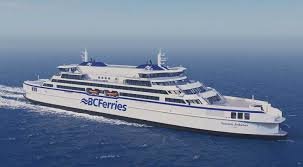
A Breath of Fresh Air for BC’s Coastal Routes
Connecting communities is at the heart of life in British Columbia. In a move to modernize its aging fleet and enhance reliability, BC Ferries has officially unveiled the names and details of its upcoming Summit Class vessels. These new additions are set to revitalize the province’s busiest coastal routes, ensuring that passengers and goods move more efficiently than ever before.
Rooted in Nature: Meet the Summit Class
In a poetic nod to the province’s stunning landscapes, the four new ferries will be named after iconic B.C. trees. This decision reflects a deep connection to the natural environment and the communities the vessels serve. The new fleet will include:
- n
- Summit Arbutus
- Summit Cedar
- Summit Maple
- Summit Spruce
Robert Guy, professor emeritus at the University of British Columbia (UBC), notes that these trees are central to the province’s identity and environmental stewardship, making them fitting symbols for the ships that link families and support local economies.
Boosting Capacity and Reliability
The transition to the Summit Class isn’t just about new names; it’s about a critical infrastructure upgrade. Many of the current largest ships are nearing the end of their service life, leading to increased maintenance costs and potential disruptions.
Key specifications of the new vessels include:
- Passenger Capacity: Up to 2,100 passengers and crew.
- Vehicle Capacity: Space for 360 standard-sized vehicles.
- Interoperability: The ships are designed to be identical, allowing them to operate interchangeably across major routes. This eliminates the flexibility bottlenecks caused by varying vessel types.
According to Ed Hooper, head of fleet renewal at BC Ferries, this identical design will streamline scheduling, crewing, and terminal infrastructure alignment, resulting in a significantly more reliable experience for the traveling public.
Timeline and Implementation
Approved by the BC Ferry Commission in 2025, the rollout will be gradual. The first vessels are expected to arrive in 2029, with the entire four-ship fleet fully operational by 2031. These ships will replace the four oldest vessels currently in service, reducing the need for specialized, long-lead-time repairs associated with aging hulls.
The Shipyard Controversy: Local vs. International
Despite the excitement over the new fleet, the project has not been without friction. The selection of China Merchant Shipbuilding Industry Group Co. Ltd. as the builder sparked significant debate across Canada.
Concerns have been raised on three main fronts:
- Economic Impact: Critics argue that Canadian shipyards should have been prioritized to support the local economy.
- Trade Tensions: The deal comes amidst ongoing trade conflicts between Canada and China.
- National Security: The federal government has faced calls to involve the Canadian Security Intelligence Service (CSIS) to review the contract.
BC Ferries has defended the decision, stating that no Canadian shipyards submitted bids that met the requirements for the project. For more information on current sailing schedules and fleet updates, you can visit the official BC Ferries website.
Connecting the Future
While the debate over construction continues, the goal remains clear: a stronger, more reliable maritime network. With the support of the Government of British Columbia and the skilled workers of the BC Ferry & Marine Workers’ Union, the Summit Class represents a major step forward in keeping the coast connected for generations to come.



