
The Clash of Rights: Understanding Aboriginal Title vs Private Property in Canada
One of the most complex and emotionally charged legal debates in Canada today centers on the tension between Aboriginal title and private property rights. For many homeowners, the fear of losing land to historical claims is a growing concern; for Indigenous nations, it is a matter of constitutional rights and the pursuit of genuine reconciliation.
Recently, a significant legal development has sparked intense discussion across the country, particularly following a decision by the Supreme Court of Canada regarding a case in New Brunswick. But what does this actually mean for the average Canadian landowner?
The New Brunswick Precedent: Compensation vs. Ownership
The core of the recent legal stir comes from the Supreme Court’s refusal to hear an appeal in a New Brunswick case. While some interpret this as a definitive “victory” for private landowners, the legal nuance is critical. By declining to hear the appeal, the High Court left the lower court’s ruling intact.
The ruling established a key distinction:
- Financial Compensation: First Nations may seek compensation for the loss of traditional lands.
- Ownership Rights: Aboriginal title cannot be declared over land that is already held as private property.
In essence, the law suggests that while the historical injustice of land loss is recognized, it does not automatically result in the displacement of current private owners.
The Ripple Effect: The Cowichan Tribes Case in B.C.
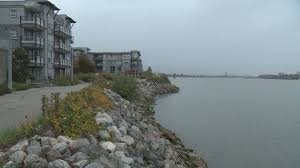
This decision is not happening in a vacuum. It has immediate implications for British Columbia, specifically the Cowichan Tribes case in Richmond. Previously, a B.C. Supreme Court ruling found that the Cowichan Nation had established Aboriginal title to over 5.7 square kilometres of land along the Fraser River.
The provincial and federal governments are currently appealing this decision. B.C. Attorney General Niki Sharma has indicated that the New Brunswick precedent provides a “clear path” for their arguments, reinforcing the idea that private property rights are fundamental and should not be extinguished by title claims.
Clearing the Misconceptions: Are Homes at Risk?
Public discourse—often amplified by social media—has been filled with misinformation. Many residents fear a “land grab” of residential neighborhoods. However, it is important to note that in many landmark cases, such as the Cowichan claim, the legal focus is primarily on Crown lands, municipal jurisdictions, and port authorities rather than individual family homes.
The debate often boils down to a fundamental question: How can Canada achieve reconciliation if the land was never lawfully surrendered?
Why This Matters for the Future of Canadian Law
The tension between the Supreme Court of Canada‘s decisions and the push for Indigenous sovereignty creates a precarious legal landscape. If Aboriginal title is a constitutional right, the government must find a way to balance that right with the stability of the modern real estate system.
Key Takeaways:
- Stability: For now, private titles remain shielded from direct ownership claims by First Nations.
- Compensation: The trend is moving toward financial settlements rather than land restitution for private parcels.
- Ongoing Legal Battles: The outcome of the B.C. appeals will further define the boundaries of land ownership in Canada.
As Canada continues to navigate the path of reconciliation, the resolution of Aboriginal title vs private property will likely remain one of the most defining legal challenges of the decade.



