
Gasoline Price Trends: Will Fuel Costs Drop Before the Summer Rush?
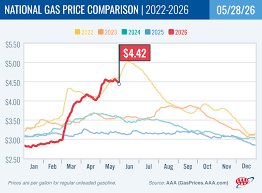
For many drivers, the trip to the filling station has become a source of anxiety. However, there is a glimmer of hope in the latest data. The national average for a gallon of gasoline has seen a slight dip, dropping 12 cents from last week to settle at $4.42. While a small decrease, it provides a momentary breather for commuters and road-trippers alike.
The Current State of Fuel Prices
Despite the recent decline, gasoline prices remain at their highest levels in four years. As we head into the busy summer driving season, experts warn that prices are likely to remain elevated. Here is a quick look at how the national average has shifted over time:
- Today’s National Average: $4.426
- One Week Ago: $4.564
- One Month Ago: $4.176
- One Year Ago: $3.164
What is Driving the Gasoline Market?
The fluctuation in fuel costs is rarely simple. Currently, the market is reacting to a mix of geopolitical tensions and supply-demand dynamics. Crude oil prices have dipped recently, largely influenced by reports of peace talks with Iran. However, this stability is fragile; if a ceasefire deal isn’t reached, we could see oil prices spike once again.
According to the Energy Information Administration (EIA), there has been a notable increase in demand, rising from 8.76 million to 9.25 million barrels per day (b/d). Conversely, the total domestic gasoline supply has decreased, creating a tight market that keeps prices volatile.
Oil Market Snapshot
At the close of the most recent formal trading session, WTI (West Texas Intermediate) fell by $5.21, settling at $88.68 a barrel. With crude oil inventories currently about 2% below the five-year average, the margin for error in the supply chain remains slim.
Gasoline vs. Electric: The Cost Comparison
As the cost of internal combustion engines fluctuates, many are looking toward Electric Vehicles (EVs). The national average for electricity at public EV charging stations has remained steady at 41 cents per kilowatt hour.
Where is it Most Expensive to Refuel?
Depending on where you live, the price of gasoline can vary wildly. Currently, the most expensive markets include:
- California: $6.07
- Washington: $5.74
- Hawaii: $5.65
On the other hand, drivers in states like Indiana ($3.81) and Texas ($3.92) are enjoying some of the lowest rates in the country.
Plan Your Next Trip Smarter
Whether you are fueling up with gasoline or charging an EV, planning is key to saving money. Tools like the AAA TripTik Travel planner can help you find the most affordable fuel and charging stations along your route, ensuring your summer getaway doesn’t break the bank.
Stay tuned for more updates on fuel trends and energy market shifts to keep your wallet happy on the road.



