
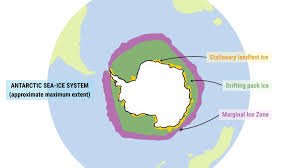
The Southern Ocean: A Majestic and Powerful Ecosystem
The Southern Ocean is not just a body of water surrounding Antarctica; it is a critical engine for the entire planet’s climate and a sanctuary for some of the most resilient species on Earth. Officially recognized by the National Geographic Society and other global entities, this ocean is defined by the Antarctic Circumpolar Current, the strongest ocean current in the world.
Why the Southern Ocean Matters for Global Climate
Far from being an isolated icy wasteland, the Southern Ocean plays a pivotal role in regulating global temperatures. It acts as a massive carbon sink, absorbing a significant portion of the carbon dioxide produced by human activity. Moreover, it drives the global conveyor belt—a system of deep-ocean circulation that transports heat and nutrients across the globe.
According to research by NOAA, the cooling effects of these waters are essential for maintaining the stability of the polar ice caps, which in turn prevents catastrophic sea-level rise in coastal cities across Canada and the rest of the world.
Biodiversity in the Deep Freeze
Despite the freezing temperatures and violent storms—often referred to as the “Screaming Sixties”—the Southern Ocean is teeming with life. Its waters are rich in nutrients, supporting a complex food web:
- n
- Antarctic Krill: The cornerstone of the ecosystem, providing food for whales, seals, and penguins.
- Giant Colossal Squid: Mysterious creatures that inhabit the deep, dark trenches.
- Imperial and Adélie Penguins: Masters of survival in the harshest conditions on Earth.
- Baleen Whales: Migratory giants that travel thousands of miles to feed in these nutrient-rich waters.
Environmental Threats and Conservation
The Southern Ocean is currently facing unprecedented challenges. From the melting of ice shelves to the risks of overfishing and plastic pollution, the fragility of this ecosystem is becoming apparent. Climate change is altering the salinity and temperature of the water, which could potentially disrupt the ocean currents that sustain life worldwide.
Efforts by organizations like National Geographic emphasize the urgent need for Marine Protected Areas (MPAs) to ensure that the biodiversity of the Antarctic waters remains intact for future generations.
Conclusion: A Call to Protect Our Blue Heart
Understanding the Southern Ocean is key to understanding the future of our planet. By protecting this wild frontier, we are not just saving distant penguins or whales; we are securing the climate stability necessary for life everywhere. The preservation of the Southern Ocean is a global responsibility that transcends borders.



