
The Legal Battle Over Mail-In Voting: Understanding the Latest Federal Ruling
In a significant legal development, a U.S. District Judge has declined to temporarily block a controversial executive order issued by President Trump. The order, which seeks to implement stricter restrictions on mail-in voting, remains in effect for now, sparking a heated debate over the limits of presidential power and the sanctity of the democratic process.
The ruling, delivered by Judge Carl Nichols in Washington, D.C., leaves the door open for the administration to proceed with its plan, though the legal challenges are far from over. This decision tests the boundaries of the U.S. Constitution and the balance of power between the executive branch and state legislatures.
What Does the Executive Order Actually Change?
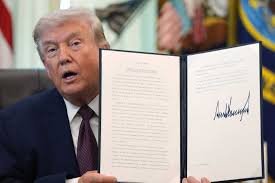
The executive order signed on March 31 focuses on verification and the distribution of ballots. Its primary goals include:
- n
- Citizenship Verification: Directing the Department of Homeland Security (DHS) to collaborate with the Social Security Administration to compile comprehensive lists of adult U.S. citizens in every state.
- State Notification: Sending these verified lists to state election officials to ensure only eligible citizens are registered.
- USPS Restrictions: Requesting the U.S. Postal Service (USPS)—an independent federal agency—to identify eligible voters and restrict the delivery of mail-in ballots solely to those on the approved lists.
The Core of the Controversy: Constitutional Authority
Opponents of the order, including voting rights organizations and nearly two dozen states, argue that this move is an overreach of power. The central argument rests on Article I of the Constitution, which grants the power to establish rules for federal elections to Congress and state legislatures, not the President.
Critics contend that by directing the USPS to create rules regarding election mail, the administration is bypassing legislative authority and potentially disenfranchising legitimate voters through administrative errors in the citizenship lists.
Current Status and Future Outlook
While Judge Nichols ruled that the plaintiffs have not yet shown that “preliminary injunctive relief is warranted,” the legal fight is shifting. All eyes are now on Boston, where another federal judge is expected to rule on similar lawsuits in the coming weeks.
The administration maintains that the executive order is a necessary measure to prevent illegal voting by non-citizens. However, research and election reviews have consistently shown that such instances are incredibly rare. Meanwhile, the operational impact remains unclear, as federal agencies continue to deliberate on the technical execution of these mandates.
For those interested in how election laws are evolving, keeping an eye on voting rights advocacy and court filings will be crucial as the midterm election cycle progresses.



