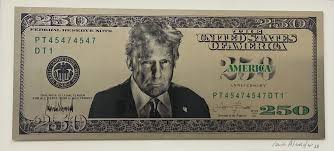
The Truth About the $250 Bill: Is It Real or Just an Internet Myth?
Every now and then, a strange image or a viral claim surfaces on social media, claiming the existence of a $250 bill. Whether it appears in a TikTok video, a mysterious forum, or a sketchy advertisement, it sparks immediate curiosity. After all, who wouldn’t want a high-denomination note in their wallet?
But before you start searching your couch cushions or accepting one in a transaction, it is time to separate fact from fiction. Let’s dive into the reality of US currency and why you should be cautious when you see mentions of a $250 bill.
Does the $250 Bill Actually Exist?
To put it simply: No, the $250 bill does not exist.
The United States Department of the Treasury and the Bureau of Engraving and Printing (BEP) have never issued a $250 denomination. The current circulating banknotes in the US are the $1, $2, $5, $10, $20, $50, and $100 bills. While the US did produce higher denominations in the past—such as $500, $1,000, and even $10,000 bills—these were discontinued decades ago and are now primarily collectors’ items.
Why is the “$250 Bill” Trending?
Trends regarding non-existent currency usually stem from three main sources:
- n
- Digital Manipulations: With AI and Photoshop, creating a realistic-looking fake bill is easier than ever. These images are often used to create “clickbait” content.
- Novelty Items: Some companies sell “movie money” or novelty prints that look like currency but are clearly marked as fake.
- Financial Scams: This is the most dangerous source. Scammers may try to trick unsuspecting people into “exchanging” fake high-value notes for real currency.
How to Identify Genuine US Currency
To avoid falling victim to counterfeit scams, it is essential to know what to look for. The US government incorporates several security features into every single single official bill.
Key Security Features to Check:
- The Watermark: Hold the bill up to the light; a faint image of the portrait should be visible in the blank space.
- The Security Thread: A vertical strip embedded in the paper that glows under UV light.
- Color-Shifting Ink: On denominations of $10 and higher, the number in the bottom right corner changes color when you tilt the bill.
- Raised Printing: If you run your fingernail over the portrait, you should feel a distinct texture.
For a comprehensive guide on how to detect counterfeit notes, we highly recommend visiting the official U.S. Currency website.
What to Do if You Encounter a Fake Bill
If someone attempts to pay you with a $250 bill—or any note that seems suspicious—do not accept it. If you accidentally come into possession of counterfeit money, the legal and safe course of action is to:
- Avoid passing it on: Attempting to spend counterfeit money is a federal crime.
- Contact Authorities: Report the incident to the local police or the United States Secret Service, which is the agency responsible for protecting the integrity of US currency.
Final Thoughts
While the idea of a $250 bill might seem like a fascinating curiosity or a financial shortcut, it is nothing more than a myth. Staying informed is your best defense against financial fraud. Always rely on official government sources when it comes to your money.
Stay vigilant, stay informed, and keep your finances secure!