
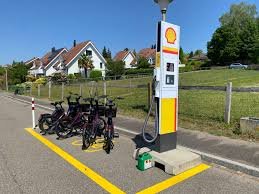
A Creative Twist on Urban Mobility: When a Bike Station Becomes a Gas Pump
In a surprising turn of events that has captured the attention of locals in Regensdorf, Switzerland, a standard piece of urban infrastructure was transformed into a piece of satirical art. Residents waking up on Tuesday morning at Zielstrasse 100 were greeted by a sight they didn’t expect: a bike-sharing station that looked exactly like a petrol station.
The Irony of the Action
The brilliance of the prank lies in its irony. By replacing a symbol of sustainable, carbon-free transportation (Züri Velo) with a symbol of fossil fuel dependency (a Shell pump), the anonymous artists sparked an immediate conversation about urban mobility and environmental impact.
Key details of the incident:
- n
- Location: Zielstrasse 100, Regensdorf-Watt.
- The Switch: A Züri Velo bike-sharing stele was swapped for a fake Shell pump.
- The Goal: Likely a social commentary on the transition from oil to green energy.
How the Authorities Reacted
While such unauthorized modifications to public property usually trigger immediate legal action, the municipality of Regensdorf had a surprisingly nuanced response. Local officials admitted that they found the creativity of the action amusing, acknowledging the wit behind the visual metaphor.
However, the laughter comes with a warning. The local government has indicated that while the prank was clever, such actions are not permitted on public land, and they have threatened potential consequences for those responsible to prevent further unauthorized installations.
Sustainability vs. Tradition
This incident reflects a growing global trend where art is used to highlight the friction between traditional energy giants like Shell and the push toward sustainable urban living. As cities move toward becoming more pedestrian- and bike-friendly, these “urban interventions” serve as a reminder of the journey from petrol to pedals.
Whether this was a simple prank or a calculated political statement, it has certainly succeeded in making the community think twice about how they move through their city.



