
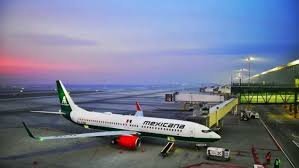
The Sky is the Limit: Mexico’s Aviation Boom for 2026
Mexico is preparing for a massive surge in air travel as the 2026 FIFA World Cup approaches. With the tournament set to ignite passion across North America, the aviation sector is bracing for a significant increase in passenger traffic and a substantial economic windfall. According to recent projections by Grupo Financiero Monex, the event is expected to catalyze growth between 4% and 6% in passenger traffic, contributing an estimated US$1.8 billion to US$3 billion to the national economy.
Volaris and the Low-Cost Advantage
Among the key players in the Mexican sky, Volaris is positioned to be a primary beneficiary of this sporting phenomenon. Analysts project a robust 6.9% growth for Volaris, outperforming several competitors. This growth is largely attributed to the airline’s strategic focus on low-cost domestic travel, which is expected to capture the bulk of the internal mobility demand as fans travel between host cities.
While Aeroméxico (projected 4.4% growth) will likely dominate the corporate and international delegations, and Viva (projected 6.1% growth) will also see gains, Volaris’s ability to optimize routes and deploy capacity selectively makes it a powerhouse for the tournament’s domestic logistics.
Infrastructure and Airport Outlook
The surge in demand won’t just benefit airlines. Major airport operators are expecting a “positive demand shock.” The forecasts for 2026 highlight varying growth rates across the region:
- n
- OMA: Projected growth of 7.3%
- ASUR: Projected growth of 3.9%
- GAP: Projected growth of 2.3%
n
n
n
Fortunately, significant infrastructure investments completed ahead of the tournament mean these hubs can absorb the higher passenger volumes without requiring massive immediate capital expenditures. This ensures a smoother experience for the estimated 5.5 million additional visitors expected to flood into Mexico.
Beyond the Pitch: Economic and Social Impact
The ripple effect of the FIFA World Cup 2026 extends far beyond the airport terminals. Deloitte estimates a nationwide economic impact of approximately US$2.73 billion. Moreover, the tournament is expected to be a major job creator, generating roughly 24,000 direct jobs in the hospitality, transportation, and tourism sectors.
Navigating the Challenges
Despite the optimism, the industry faces headwinds. The International Air Transport Association (IATA) notes that while global traffic is rising, airlines must manage volatile fuel costs, aircraft leasing expenses, and supply chain delays that have hindered fleet expansion.
Furthermore, Mexico’s broader aerospace industry continues to show resilience. Despite uncertainties surrounding the USMCA review, aerospace exports remain on an upward trajectory, signaling a strong industrial foundation that complements the surge in commercial aviation.
Key Takeaways for the 2026 Aviation Surge
| Metric | Projection |
|---|---|
| Economic Impact | US$1.8B – US$3B |
| Volaris Passenger Growth | 6.9% |
| Additional Visitors | 5.5 Million |
| Job Creation | 24,000 direct jobs |



