
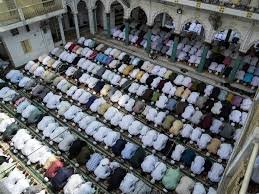
Eid Prayer in India: Faith Under Pressure and the Struggle for Public Space
For millions of Muslims in India, the arrival of Eid al-Adha is traditionally a time of profound spiritual reflection, charity, and communal joy. However, in recent years, the simple act of gathering for Eid prayer has become a source of anxiety, surveillance, and systemic tension, particularly in the BJP-governed state of Uttar Pradesh.
In towns like Meerut, the festive mood is overshadowed by a pressing concern: not the sacrificial animals or the holiday feasts, but the legality of where they can stand to pray. As authorities tighten their grip on public gatherings, the community finds itself navigating a precarious landscape of barricades and police permissions.
The Rise of “Prayer Shifts” and State Restrictions
In a move that has sparked widespread concern, Yogi Adityanath, the Chief Minister of Uttar Pradesh, has urged Muslims to offer their Eid prayer in shifts. This directive is not merely a logistical suggestion but is often accompanied by veiled threats of “alternative methods” if the community does not comply.
The shift-based approach highlights a growing crisis: many mosques and designated Eidgahs (prayer grounds) are simply too small to accommodate the population. This forces worshippers into the streets—a practice that was once tolerated but is now framed as a security threat or a “show of strength” by right-wing groups.
The Psychological Toll of Surveillance
- n
- Fear of Documentation: Worshippers now worry about being filmed by bystanders, with videos being used to trigger police action or online hate campaigns.
- Risk of Reprisal: Reports of home demolitions and the cancellation of passports for those praying in open spaces have created a climate of fear.
- Loss of Joy: For many, the night before Eid is no longer about preparation, but about anticipating potential confrontation.
A Legacy of Trauma and Modern Conflict
The tension is not without historical roots. In Maliyana, a village in the Meerut district, memories of the 1987 massacre—where 72 Muslims were killed—still linger. This historical trauma, combined with current political pressures, makes the current restrictions on Eid prayer feel like a continuation of systemic marginalization.
Critics argue that there is a glaring double standard in how public spaces are managed. While Muslim prayers are restricted under the guise of traffic management, large-scale Hindu religious processions often receive full state support, including police protection and extensive traffic diversions. This disparity suggests that the issue is less about “public order” and more about who is allowed to be visible in the public sphere.
Beyond the Prayer Mat: A Question of Identity
The struggle over Eid prayer is a symptom of a larger shift in India’s social fabric. From the right to wear the hijab to the use of loudspeakers for the azan, every facet of Muslim identity is increasingly contested.
As noted by sociologists and human rights observers, public space is symbolic. When a community is forced to hide its worship or pray in clandestine shifts, it sends a message about their legitimacy and belonging within the nation. For the Muslims of Uttar Pradesh and Delhi, the simple act of bowing in prayer has become a political statement of existence.
For more information on the state of religious freedom globally, you can visit Amnesty International or explore the human rights reports available at the Office of the United Nations High Commissioner for Human Rights (OHCHR).
Conclusion: The Resilience of Faith
Despite the uncertainty, the spirit of Eid persists. Markets remain crowded, children look forward to new clothes, and volunteers continue to clean mosque carpets. However, the underlying unease remains. The quest for a peaceful Eid prayer is no longer just about faith—it is a struggle for the fundamental right to exist and worship without fear.



