Gas Prices Surge: Brace for Higher Energy Bills This Winter
Consumers across the country should prepare for a significant increase in their energy bills in the coming months, as a major winter storm descends and natural gas prices continue to climb. The National Weather Service is forecasting “widespread heavy snow, sleet, and freezing rain” beginning Friday and lasting through the weekend, impacting a large portion of the U.S.
Why Your Bills Are About to Rise
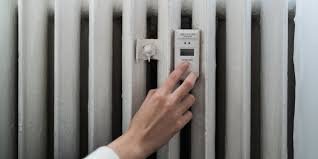
Disruptive winter weather dramatically increases energy demand. “Everybody is racing to their thermostat to crank up the heat all at once — there’s just a tremendous demand pull that happens,” explains Eli Rubin, a senior energy analyst at EBW AnalyticsGroup. This surge in demand will immediately translate to higher prices for both natural gas and electricity.
While both heating methods will see price increases, electric heating is expected to experience a more substantial jump. Rubin notes that electric heaters are often less efficient, particularly in regions accustomed to prolonged cold. “They’re typically designed for regions like the Southeast that do not see the same sustained prolonged cold as, say, Minnesota,” he said. “And so when we do get these severe cold spikes in those regions, the total amount of demand can absolutely skyrocket as a result.”
Short-Term vs. Long-Term Impacts
The current winter storm isn’t the only factor driving up costs. Natural gas prices have already soared, rising approximately 63% since Monday – the largest increase since December. However, these price hikes won’t be reflected in bills immediately. Instead, utility companies and state regulatory commissions will likely phase in the increases over time.
Expect to see the full impact of these price increases on your bills within six months to a year, or even longer. Consumers using electricity for heating will experience a similar delayed effect.
The Role of AI and Infrastructure
Increased demand for electricity isn’t solely due to the cold weather. The rapid expansion of artificial intelligence (AI) data centers, which consume vast amounts of energy, is also contributing to higher residential energy bills.
Furthermore, potential “freeze-offs” – disruptions in natural gas production and transportation due to freezing temperatures – could exacerbate the situation. According to the U.S. Energy Information Administration (EIA), these freeze-offs can cause equipment malfunctions and power outages. Henry Hofmann, a co-portfolio manager of the Catalyst Energy Infrastructure Fund, notes that gas may be diverted from liquefied natural gas (LNG) facilities to help balance the market in the short term.
Looking Ahead: Future Projections
The EIA projects that natural gas costs will decrease this year but rise again in 2027, driven by increased demand from expanding LNG exports and greater consumption in the electric power sector. Rubin summarizes the situation: “So we have some of these supply-side impacts that reduce supply at the same time we have demand surging. That creates a tremendous bullish impact on price.”
Resources:
- U.S. Energy Information Administration (EIA) – For detailed energy data and analysis.
- NBC News – Stay updated on the latest news and weather forecasts.
Source: NBC News