The Scorching Battle of Paris: Heat and Strategy at ATP Roland Garros 2026
Tennis players are no strangers to grueling conditions, but the ATP Roland Garros 2026 has brought a challenge that is testing even the toughest athletes. An unseasonable heatwave has gripped Paris, with temperatures soaring to around 34°C, turning the iconic red clay into a high-speed battlefield.
From high-tech cooling gadgets to strategic scheduling, the environment is playing as much of a role in the tournament as the athletes themselves. But who truly benefits when the mercury rises?
The Science of the ‘Heat Dome’: Why the Clay is Faster
The current weather anomaly is caused by a “heat dome”—a high-pressure system trapping warm air from Northern Africa over Western Europe. For tennis fans and players, this isn’t just about discomfort; it fundamentally changes how the ball behaves on court.
- Dry and Hard Clay: The scorching sun hardens the surface, resulting in a faster court.
- The Bounce: Higher temperatures lead to a livelier, higher bounce, which heavily favours big servers and players who utilize heavy top-spin.
- The Contrast: In cooler or damp conditions, the balls feel heavier and slower, allowing players to rely more on craft and precision rather than raw power.
Winners and Losers in the Heat
The shifting conditions have created a clear divide among the world’s top players. Some are thriving, while others are struggling to adapt their game to the ATP Roland Garros 2026 environment.
The Spin Masters
Players like Iga Swiatek and the legendary Rafael Nadal (whose legacy still looms large over the clay) have historically thrived in these conditions. The higher bounce allows top-spin shots to jump out of the opponent’s strike zone, making returns incredibly difficult.
Stefanos Tsitsipas has also noted that the heat gives him an “extra edge,” amplifying his strengths and making the ball more lively during rallies.
The Flat Hitters
Conversely, players who hit a flatter ball, such as Daniil Medvedev, find the livelier conditions less forgiving. When the ball stays lower and moves faster, it can be harder to dictate play, often leaving them vulnerable to more aggressive opponents.
The Jannik Sinner Quest: Can He Conquer the Heat?
All eyes are on Jannik Sinner as he chases a career Grand Slam. While Sinner enters as a heavy favourite following dominant wins in Monte Carlo, Madrid, and Rome, the heat remains his biggest obstacle. Having struggled with cramping in previous high-temperature tournaments, Sinner’s team is playing it smart.
By securing night-time sessions on Court Philippe Chatrier, Sinner can take advantage of cooler air, allowing him to step into the ball and maintain his aggressive baseline game without the physical toll of the midday sun.
Player Welfare and the ‘Wet Bulb’ Protocol
To ensure athlete safety, tournament organizers are utilizing sophisticated wet bulb sensors. These devices measure air temperature, humidity, sun exposure, and wind to calculate the actual stress on the human body.
The Safety Protocol includes:
- Scheduled Breaks: 10-minute breaks may be introduced after the second set (women) or third set (men).
- Match Suspension: If the wet bulb reading reaches 32.2°C, matches can be suspended entirely until temperatures drop.
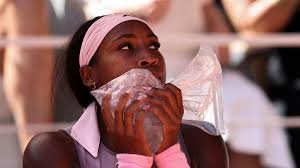
- Cooling Tech: Players are increasingly using ice bags, portable misting fans, and cooling plates to maintain their core temperature.
As the tournament progresses, the question remains: will the heat crown a new champion, or will the most adaptable player emerge victorious at the ATP Roland Garros 2026? For more updates on rankings and match schedules, visit the Official ATP Tour website.