CNBC’s Andrew Ross Sorkin Warns of Inevitable Market Crash: Is History Repeating Itself?
In a startling revelation that has sent ripples through the financial world, Andrew Ross Sorkin, the prominent co-anchor of CNBC‘s “Squawk Box,” has issued a grim warning: a stock market crash is not just possible—it is inevitable.
During a recent appearance on CBS’s 60 Minutes to discuss his latest book, “1929: Inside the Greatest Crash in Wall Street History – and How It Shattered a Nation,” Sorkin drew haunting parallels between the current economic climate and the conditions that led to the Great Depression. His insights suggest that the modern market is operating on a fragile foundation of speculation and political fear.
The Silence of the C-Suite: Fear in the Boardroom
One of the most concerning aspects of Sorkin’s analysis isn’t just the numbers, but the psychology of American corporate leadership. According to the CNBC journalist, many CEOs are currently operating under a heavy cloud of political anxiety.
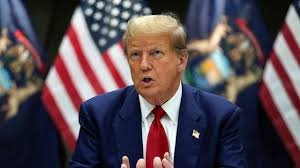
Sorkin asserts that corporate leaders are too intimidated to publicly criticize the Trump administration. The fear is rooted in potential retaliation, including:
- n
- Targeted Regulations: Fear that speaking out could lead to restrictive new industry rules.
- Blocked Mergers: Anxiety that critical business acquisitions may be stalled by government agencies.
- Public Attacks: The risk of becoming a target of administration rhetoric.
This “culture of silence” among the nation’s most powerful business figures suggests a disconnect between private concerns and public confidence, a gap that often precedes economic volatility.
The AI Bubble and the Echoes of 1929
Beyond political tensions, Sorkin pointed to two primary economic catalysts that could trigger a collapse: the artificial intelligence (AI) bubble and the aggressive rollback of post-crisis financial regulations.
Sorkin argues that the current enthusiasm for AI mirrors the speculation-heavy environment of the late 1920s. When markets are driven more by hype than by sustainable value, the risk of a correction increases exponentially. Furthermore, the removal of safety nets—regulations designed to prevent systemic failure—leaves the global economy vulnerable to the same types of shocks that devastated Wall Street nearly a century ago.
Can the Crash Be Avoided?
When questioned by correspondent Lesley Stahl on whether President Trump’s desire for a strong stock market would prevent a repeat of 1929, Sorkin remained skeptical. He emphasized that economic panics do not follow political will; they follow the laws of confidence.
“I think it’s hard to know how things get out of control. When confidence disappears, it happens like this,” Sorkin noted, accompanying his words with a snap of his fingers.
While the exact timing and depth of the crash remain unknown, Sorkin’s conclusion is definitive: the crash will happen. For investors and business leaders, the challenge now is not whether a correction is coming, but how prepared they are when the bubble finally bursts.
For more in-depth analysis on global market trends, you can explore reports from Bloomberg to compare current volatility indices with historical data.