
The Ghost of Black Sunday: A Warning from the Past
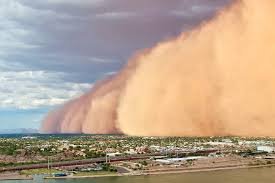
Imagine a mid-afternoon where the sun is suddenly extinguished, not by a cloud, but by a colossal, inky wall of soil 200 metres high. This was the reality of Black Sunday on April 14, 1935. It remains the most catastrophic dust storm in US history, transforming six states into a pitch-black wasteland within seconds.
The aftermath was harrowing: temperatures plummeted, visibility vanished, and thousands succumbed to “dust pneumonia.” This event became the symbol of the Dust Bowl, a period of ecological collapse that left millions homeless. While we once thought such “deathstorms” were a relic of poor 1930s farming practices, modern climate data suggests a frightening trend: the dust is coming back.
The Modern Surge: Why Dust Storms are Increasing
Today, the US Southwest—specifically Texas, New Mexico, and Arizona—is witnessing a resurgence of intense dust activity. In 2025, El Paso recorded its highest number of dust storms since the 1930s, fueled by record-breaking heat and a critical loss of soil moisture.
This isn’t just a regional issue. A combination of factors is creating a “perfect storm” for soil erosion:
- Global Heating: Rising temperatures accelerate the drying of land, leaving topsoil loose and vulnerable.
- Megadroughts: The US is currently enduring its most severe dry episode in over a millennium.
- Atmospheric Shifts: Changes in ocean temperatures are intensifying the winds required to loft dust into the atmosphere.
A Silent Health Crisis: Beyond Dirty Windows
A dust storm is far more than a weather inconvenience; it is a significant public health hazard. According to researchers at the University of California, hospitalizations can increase fivefold following major dust events.
The dangers are multifaceted:
- Respiratory Distress: Fine particulate matter causes inflammation, exacerbating asthma and bronchitis, especially in children and the elderly.
- Systemic Risks: The smallest particles can enter the bloodstream, increasing the risk of strokes and heart attacks.
- Pathogen Transport: Dust particles act as “hitchhikers” for bacteria and fungi. In the Sahel region of Africa, this is linked to a deadly “meningitis belt.”
- Valley Fever: In the US, there is a growing incidence of Valley Fever, a fungal infection spread by wind-borne spores, which is now predicted to spread into the Midwest and Canada in the coming decades.
The Staggering Economic Toll
The financial impact of these storms is astronomical. In developed nations with complex infrastructure, the costs are amplified. In 2017 alone, wind erosion and dust cost the US economy an estimated $154 billion.
These costs stem from various disruptions:
- Agriculture: Destruction of crops and loss of fertile topsoil.
- Energy: Dust-covered solar panels can lose up to 30% of their efficiency, while wind turbines suffer mechanical wear.
- Transportation: Thousands of road accidents and grounded flights due to zero visibility.
- Infrastructure: Billions spent on repairing homes and gardens damaged by abrasive blowing sand.
A Global Phenomenon: From Africa to Europe
The global dust budget is dominated by the deserts of North Africa and the Middle East, but the effects are worldwide. In 2024, giant plumes of Saharan dust crossed the Atlantic, reaching the Caribbean and South America. In Europe, this sometimes manifests as “Blood Rain”—precipitation mixed with red dust that leaves a sticky, rust-coloured layer on everything it touches.
According to the World Health Organization (WHO), nearly half the planet’s population has been exposed to unsafe dust levels in recent years, a trend that continues to climb as the Earth becomes more arid.
Can We Stop the Dust?
While the trend is alarming, there are strategic actions that can mitigate the impact:
- Increasing Vegetation: Planting native, drought-resistant flora to bind the soil.
- Infrastructure Upgrades: Paving dirt roads in high-risk areas to reduce loose particulate matter.
- Advanced Forecasting: Implementing better warning systems to protect vulnerable populations.
- Climate Action: Addressing the root cause—global heating—to prevent the permanent aridification of the planet.
The bottom line: Unless we aggressively tackle the rise in global temperatures, the “deathstorms” of the past will become the new reality of our future.



