
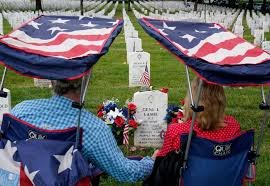
Memorial Day USA: Exploring the History, Meaning, and Evolution of a National Tradition
For many, Memorial Day in the USA is the unofficial herald of summer. It is a weekend defined by road trips, backyard barbecues, and massive retail sales on everything from home appliances to outdoor gear. However, beneath the festive atmosphere lies a profound purpose: the solemn honouring of those who made the ultimate sacrifice while serving in the U.S. military.
But how did a day of mourning evolve into a cornerstone of American consumerism and leisure? Let’s dive into the rich and complex history of this national holiday.
What Exactly is Memorial Day?
Observed on the last Monday of May, Memorial Day is dedicated to reflection and remembrance. It is a time for the nation to pause and recognize the fallen service members of the United States Armed Forces.
One of the most poignant modern traditions is the National Moment of Remembrance. This initiative encourages all Americans to pause at 3 p.m. local time for a minute of silence, ensuring that the true meaning of the day is not lost amidst the holiday celebrations.
The Roots of Remembrance: From Decoration Day to Memorial Day
The origins of the holiday are deeply entwined with the tragedy of the American Civil War (1861–1865), a conflict that claimed over 600,000 lives. In the aftermath, the practice of decorating graves with flowers became a widespread way to honour the dead.
- n
- Decoration Day: The first national observance took place on May 30, 1868, following a call from Union veterans to decorate war graves.
- The Birthplace Debate: While Waterloo, New York, is often proclaimed the birthplace of the holiday (starting formal observances in 1866), Boalsburg, Pennsylvania, claims an even earlier date in October 1864.
- A Diverse Beginning: History professor David Blight notes that as early as May 1, 1865, thousands of people—including many Black Americans—gathered in Charleston, South Carolina, to dedicate the graves of Union troops.
For more detailed records on these early observances, you can explore the archives of the Library of Congress.
A History of Contention and Inclusion
The path to the modern Memorial Day was not without struggle. As early as 1869, critics warned that the day was becoming too focused on “pomp and dinners,” risking the loss of its sacred nature.
More significantly, the holiday often mirrored the racial divides of the era. Abolitionist Frederick Douglass expressed fears that the nation was forgetting the true impetus of the Civil War: the fight against enslavement. Despite the service of roughly 180,000 Black men in the Union Army, the holiday often became a “white Memorial Day” during the rise of the Jim Crow era in the South.
The Shift: From Sacred Silence to Summer Sales
The transformation of Memorial Day into a leisure-focused long weekend happened gradually. The addition of Armistice Day (now Veterans Day) in the 20th century shifted some of the mourning focus, while the rise of the automobile and the five-day work week turned the holiday into a prime opportunity for travel.
Key turning points include:
- n
- 1911: The inaugural Indianapolis 500 race took place on May 30, signaling a shift toward sports and entertainment.
- 1971: Congress officially moved the holiday to the last Monday of May, creating a guaranteed three-day weekend. This move essentially codified the transition of the day into a generic remembrance and a period of leisure.
Balancing Tradition and Celebration Today
Today, Memorial Day is a complex tapestry of emotions. It is a day of deep gratitude and sorrow, but also a celebration of life and family. Whether you are attending a parade, visiting a national cemetery, or taking advantage of a seasonal sale, the core essence of the day remains: we remember.
By acknowledging the sacrifices of the past, we can enjoy the freedoms of the present with a renewed sense of appreciation.



