
Trump’s High-Stakes Gamble: A Deal with Iran or Renewed Strikes?
The geopolitical landscape of the Middle East is currently balanced on a knife’s edge. In a candid admission, President Donald Trump has described the current situation with Iran as a “solid 50/50” chance between securing a favorable diplomatic agreement or launching a devastating new military campaign against the country.
With a Sunday deadline looming, the White House is in a flurry of activity. Trump is scheduled to meet with his inner circle of strategists, including JD Vance, special envoy Steve Witkoff, and adviser Jared Kushner, to review Iran’s latest proposal and determine if the U.S. will strike Iran “to kingdom come.”
The Inner Circle and Global Diplomacy
The inclusion of JD Vance in these critical deliberations underscores the importance of the decision, as the administration weighs the long-term strategic implications of renewed conflict. Beyond the domestic team, the U.S. is engaging with Gulf mediators and leaders from Egypt, Pakistan, and Turkey to explore every possible avenue for peace.
According to reports from Reuters, a memorandum of understanding is currently being “fine-tuned” in an attempt to end the hostilities and extend the existing ceasefire.
Iran’s Stance: No Compromise on Rights
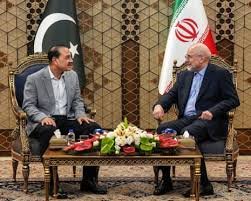
Despite the diplomatic push, Tehran remains defiant. Mohammad Bagher Ghalibaf, Iran’s parliamentary speaker, has warned that any “foolish” move by Trump could lead to a response that is “more crushing and bitter” than the initial stages of the war. Ghalibaf emphasized that the Iranian military has used the ceasefire period to rebuild its strategic capabilities.
Key points of contention remain:
- n
- The Strait of Hormuz: A vital chokepoint for approximately 20% of the world’s oil and gas supplies, which remains largely closed.
- Nuclear Ambitions: The U.S. continues to demand transparency and restrictions on Iran’s nuclear and ballistic missile programs.
- National Sovereignty: Iran insists that no deal will be made that compromises its national rights.
n
n
n
The Risks of a Renewed Campaign
While the Trump administration considers fresh strikes, military analysts warn that the U.S. may be in a more vulnerable position than before. A report by The Washington Post revealed that the U.S. has significantly depleted its stockpile of advanced missile-defense interceptors, which are crucial for protecting allies and bases in the region.
Furthermore, the domestic pressure on the administration is mounting. With a historic low approval rating of around 37%, the American public is increasingly frustrated by inflation and soaring gas prices—direct results of the volatility in the Strait of Hormuz.
What Could Be Targeted?
If diplomacy fails, several high-value targets could be on the table:
- Nuclear Sites: Deeply buried uranium stockpiles, though these would require complex “bunker-buster” operations.
- Military Infrastructure: Drone stockpiles and ballistic missile launching sites.
- Strategic Assets: Civilian infrastructure, such as bridges and energy facilities, though human rights groups warn such attacks could be classified as war crimes.
Conclusion: A Critical Turning Point
As Secretary of State Marco Rubio expresses “cautious optimism,” the world watches closely. Whether the counsel of JD Vance and other advisors leads toward a diplomatic breakthrough or a renewed aerial campaign, the outcome will reshape global energy markets and Middle Eastern stability for years to come.
Stay tuned for further updates as the Sunday deadline approaches.



