
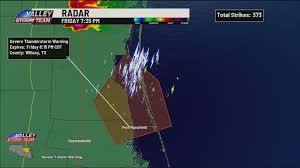
Severe Thunderstorm Warning: Everything You Need to Know to Stay Safe
Nature is unpredictable, and when the sky turns a deep shade of gray and the wind begins to howl, knowing exactly how to react can make all the difference. A severe thunderstorm warning is more than just a weather update; it is a critical alert that demands immediate action to ensure the safety of you and your loved ones.
In this comprehensive guide, we will break down what these warnings actually mean, the difference between a “watch” and a “warning,” and the best practices to protect your home and family during extreme weather events.
What Exactly is a Severe Thunderstorm Warning?
According to the National Weather Service (NWS), a severe thunderstorm warning is issued when a storm is already occurring or is imminent in a specific area. Unlike a general forecast, a warning means that severe weather is happening now and poses a direct threat to life and property.
Thunderstorm Watch vs. Thunderstorm Warning
Many people confuse these two terms, but the distinction is vital for your safety:
- n
- Thunderstorm Watch: Conditions are favorable for severe weather. Think of this as “be prepared.” You should keep an eye on the sky and stay tuned to weather reports.
- Severe Thunderstorm Warning: Severe weather is occurring or imminent. Think of this as “take action.” You need to seek shelter immediately.
Immediate Actions: What to Do During a Severe Thunderstorm Warning
When a warning is issued for your area, every second counts. Follow these essential safety steps to minimize risk:
1. Seek Shelter Indoors
The safest place to be is inside a sturdy building. Avoid porches, carports, or sheds. If you are indoors, stay away from windows and glass doors, as high winds can shatter them or send debris flying through the glass.
2. Avoid Water and Electronics
Lightning seeks the path of least resistance. During a severe thunderstorm, avoid:
- n
- Taking showers or baths.
- Using corded telephones.
- Touching electrical appliances that are plugged into the wall.
3. If You Are Caught Outdoors
If you cannot reach a building, avoid open fields and high ground. Do not seek shelter under tall trees, as they are primary targets for lightning. If you are in a vehicle, stay inside with the windows rolled up, but avoid touching metal surfaces.
How to Prepare Your Home for Extreme Weather
Preparation is the best defense against the unpredictability of a storm. To reduce property damage and stress, consider the following checklist:
- n
- Secure Outdoor Items: Bring in patio furniture, potted plants, and trash cans that could become airborne projectiles.
- Trim Overhanging Branches: Ensure that large tree limbs are not hanging precariously over your roof or power lines.
- Create an Emergency Kit: Include a flashlight, extra batteries, a first-aid kit, and a portable power bank for your phone.
- Stay Informed: Download a reliable weather app or have a NOAA Weather Radio handy for real-time updates.
Post-Storm Safety: What to Do After the Warning Ends
The danger doesn’t always vanish the moment the rain stops. Once the severe thunderstorm warning is lifted, keep these precautions in mind:
- n
- Watch for Downed Power Lines: Never touch or go near fallen wires; report them to your local utility company immediately.
- Check for Gas Leaks: If you smell gas or hear a hissing sound, leave the premises and call emergency services.
- Inspect Your Property: Carefully check your roof and windows for damage, but avoid climbing ladders if surfaces are still wet and slippery.
For more detailed information on emergency preparedness, visit Ready.gov, the official site for disaster preparedness in the United States.
Final Thoughts
A severe thunderstorm warning is a serious call to action. By understanding the difference between watches and warnings and having a clear plan in place, you can protect your family and reduce the anxiety that comes with extreme weather. Stay alert, stay informed, and always prioritize safety over property.



