
El Niño and the 2026 Atlantic Hurricane Season: What You Need to Know About NOAA’s Latest Forecast
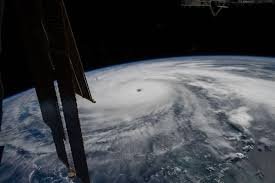
As the calendar inches closer to June 1, the official start of the 2026 Atlantic hurricane season, homeowners and coastal residents are looking for answers. The National Oceanic and Atmospheric Administration (NOAA) has officially finalized its first forecast, and the news is surprisingly optimistic for those dreading a hyper-active season.
The central figure in this year’s weather narrative? El Niño. This powerful climate pattern is expected to play a decisive role in shaping how many storms develop and how intense they become.
The El Niño Effect: Why It Matters for Hurricanes
For those unfamiliar with the terminology, El Niño is a natural climate phenomenon characterized by unusually warm water temperatures in the equatorial Pacific Ocean. While it happens thousands of miles away from the Atlantic, its influence is global.
In the Atlantic basin, El Niño typically acts as a “storm brake.” It increases vertical wind shear—strong winds in the upper atmosphere that effectively tear apart developing tropical systems before they can organize into powerful hurricanes.
Currently, we are in a neutral phase, but NOAA’s Climate Prediction Center expects El Niño to arrive early this summer and persist throughout the peak of the hurricane season.
By the Numbers: NOAA’s 2026 Predictions
According to NOAA’s experts, there is a strong probability that 2026 will be a quieter-than-average year. Here is the statistical breakdown of the outlook:
- n
- Below-Average Season: 55% probability
- Near-Average Season: 35% probability
- Above-Average Season: 10% probability
In terms of actual storm activity, the forecast predicts between eight and 14 named storms (which include both tropical storms and hurricanes) between June 1 and November 30. For comparison, a typical average season sees about 14 named storms.
Expected Storm Intensity:
- Hurricanes: 3 to 6 expected (Average: 7)
- Major Hurricanes (Category 3+): Up to 3 expected (Average: 3)
Can Climate Change Override El Niño?
While the forecast looks calm, meteorologists warn that we are living in a changing climate. In 2023, for example, record-breaking ocean temperatures acted as “rocket fuel,” allowing storms to thrive despite the presence of El Niño.
While Atlantic sea surface temperatures are still warmer than historical norms, they are not currently at the extreme levels seen in 2023 or 2024. However, since ocean temperatures usually peak in August, there is still a window for warming to potentially disrupt the “below-average” trend.
Timeline: When Should You Expect Activity?
It is important to remember that the start of the season on June 1 doesn’t mean a storm will hit immediately. Based on historical data and the National Hurricane Center’s trends:
- First Tropical Storm: Typically forms around June 20.
- First Hurricane: Typically arrives around August 11.
Current signals suggest a quiet start to June. However, if early systems do develop, they are more likely to originate closer to the U.S. coastline or within the Gulf of Mexico.
Final Thoughts: Stay Prepared
While the El Niño forecast provides some peace of mind, weather is inherently unpredictable. Whether the season is below average or not, the best strategy is always preparation. Keep your emergency kits ready and stay tuned to official NOAA updates as the season progresses.



