
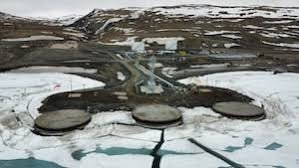
The Strategic Importance of the Nanisivik Naval Facility
In the vast and challenging landscape of the High Arctic, the Nanisivik Naval Facility stands as a critical pillar of Canada’s national security strategy. Located in Nunavut, this facility is more than just a dock; it is a symbol of Canada’s commitment to maintaining sovereignty over its northernmost territories.
As global interest in the Arctic increases due to melting ice caps and the opening of new shipping routes, the role of strategic hubs like Nanisivik has become more vital than ever. For the Royal Canadian Navy and the Canadian Armed Forces, this facility provides the essential logistics and support needed to operate in one of the harshest environments on Earth.
Key Functions of the Nanisivik Facility
The facility serves multiple purposes that ensure the safety and security of the Canadian North. Its primary functions include:
- n
- Logistical Support: Providing fuel, supplies, and maintenance for naval vessels patrolling the Arctic waters.
- Sovereignty Patrols: Acting as a base for operations that monitor maritime traffic and prevent unauthorized entry into Canadian waters.
- Search and Rescue (SAR): Enhancing the ability of emergency services to respond quickly to incidents in the remote Arctic region.
- Environmental Monitoring: Supporting scientific research and monitoring the ecological changes occurring in the North.
Navigating Geopolitical Tensions in the North
With the rise of geopolitical competition among Arctic nations, the Nanisivik Naval Facility plays a psychological and tactical role. By maintaining a consistent presence, Canada signals its resolve to protect its borders and manage its resources sustainably.
The facility aligns with the broader goals outlined by the Department of National Defence, ensuring that Canada possesses the capability to detect, deter, and respond to threats in the North.
The Future of Arctic Naval Operations
Looking ahead, the modernization of Arctic infrastructure is a priority. Investments in the Nanisivik facility are expected to grow, incorporating better technology for ice-breaking support and advanced surveillance systems to monitor the Northwest Passage.
As we move further into the decade, the integration of indigenous knowledge from Nunavut communities with military strategy will be key to the sustainable and respectful management of the region.
Conclusion: The Nanisivik Naval Facility is not merely a piece of infrastructure; it is a strategic asset that ensures the Canadian flag continues to fly high over the Arctic, safeguarding the nation’s interests for generations to come.



