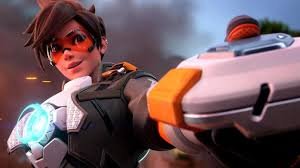
A Decade of Defiance: Celebrating the Overwatch Anniversary
In the volatile world of live-service gaming, reaching a ten-year milestone is more than just a feat—it is an anomaly. As we celebrate the Overwatch anniversary, the game stands as a solitary monument in a graveyard of fallen competitors. From stratospheric peaks to devastating valleys, Blizzard’s iconic hero shooter has endured a journey that would have shuttered almost any other studio.
Despite years of critics claiming the game was “dead,” Overwatch has managed to pivot, evolve, and arguably enter its most stable and exciting state since its original launch in 2016. But the path to this anniversary was far from smooth.
The Dark Years: Content Droughts and Broken Promises
For many veteran players, the road to the Overwatch anniversary was marked by frustration. The transition to Overwatch 2 was plagued by high-profile setbacks that tested the community’s loyalty:
- n
- The Great Content Drought: A period of over two years where no new heroes were added, leaving players reliant on recycled seasonal events.
- The Missing Campaign: The headlining PvE story mode, a cornerstone of the sequel’s marketing, was eventually scrapped after underwhelming internal signals and development struggles.
- Cultural Reckoning: Internal strife and high-profile lawsuits at Activision Blizzard led to significant turnover and a shift in leadership.
Game Director Aaron Keller admits that these “rough patches” caused sleepless nights and deep soul-searching for the team. However, it was this very instability that forced Blizzard to rethink what a live-service shooter actually requires to survive.
The Catalyst: How Competition Sparked Innovation
Ironically, one of the greatest boosts to Overwatch’s recent evolution came from a direct rival: Marvel Rivals. The launch of NetEase’s competitor in 2024 acted as a wake-up call for Blizzard.
According to Walter Kong, head of development for live games, the arrival of a direct competitor reduced the team’s risk-aversion. It gave them the “license to go for it,” leading to the implementation of bold new features such as in-match skill trees (Perks) and the Stadium build-based mode. The competitive pressure transformed fear into energy, pushing the team to stop playing it safe.
Overwatch in 2026: A New Beginning
Today, the game has undergone a strategic rebranding. By dropping the “2” from the title and moving away from the failed PvE promises, Blizzard has streamlined the experience. The new roadmap is ambitious and clear:
- n
- Annual Expansions: Story content is now delivered through focused “expansion moments” at the start of each year.
- Hero Surge: A massive rollout of 10 new heroes scheduled throughout 2026.
- Sustainable Model: A shift toward a more defined, predictable content cycle that prioritizes the competitive experience.
Final Thoughts: The Lesson of Resilience
The Overwatch anniversary proves that with enough infrastructure and a willingness to learn from failure, a game can recover from almost anything. While the cloud of broken promises may still linger for some, the current state of the game is a testament to resilience.
By embracing competition and listening to the “harsh signals” of their player base, Blizzard has morphed Overwatch into a sustainable ecosystem. For those who left during the turmoil, there has never been a better time to return to the battlefield.
Want to stay updated on the latest hero shifts? Visit the official Overwatch website for the latest patch notes.