
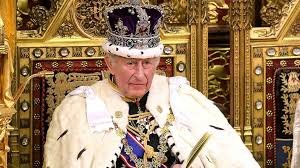
The Dawn of a New Era: Understanding the Reign of King Charles III
The ascension of King Charles III to the British throne marked more than just a change in leadership; it signaled the beginning of a new chapter for one of the world’s most ancient institutions. After the historic reign of Queen Elizabeth II, the world watched with curiosity as King Charles stepped into a role he had prepared for throughout his entire life.
But who is the man behind the crown? Beyond the formal ceremonies and royal protocols, King Charles III brings a unique set of values and a distinct vision for the British Monarchy in the 21st century.
A Lifelong Passion for the Planet
One of the most defining characteristics of King Charles III is his unwavering commitment to environmentalism. Long before climate change became a global headline, the then-Prince of Wales was advocating for organic farming and sustainable living.
His approach to leadership is deeply intertwined with ecology. He continues to champion the fight against climate change, urging global leaders to adopt greener policies to protect biodiversity. To learn more about the official duties and initiatives of the crown, you can visit the Official Website of the Royal Family.
Modernizing the Monarchy
Transitioning from a long-standing era of stability to a new reign requires a delicate balance between tradition and evolution. King Charles III is tasked with modernizing the monarchy to ensure its relevance in a rapidly changing social and political landscape.
Some of the key areas where the King is focusing his efforts include:
- n
- Sustainability in Royal Operations: Implementing eco-friendly practices within the royal households.
- Streamlining the Monarchy: A focus on a “slimmer” royal family to increase efficiency and reduce the burden on taxpayers.
- Inclusive Diplomacy: Strengthening ties across the Commonwealth with a focus on diversity and shared global challenges.
The Challenges and the Legacy
Leading a constitutional monarchy in the modern age is not without its hurdles. From navigating public opinion to managing the complexities of the Commonwealth, King Charles III faces the challenge of maintaining the prestige of the crown while remaining accessible to the people.
His legacy will likely be defined by his ability to blend his personal passion for the environment with his duty to the state. By positioning the monarchy as a force for global good—particularly in environmental conservation—he is carving out a path that distinguishes his reign from those of his predecessors.
Conclusion
King Charles III represents a bridge between the storied traditions of the past and the urgent needs of the future. As he continues to navigate his role, his influence extends far beyond the borders of the United Kingdom, touching upon global issues that affect us all.



