The Shockwave in the SEC: Lane Kiffin Moves to LSU
In the high-stakes world of college football, few names spark as much conversation as Lane Kiffin. Recently, the sporting world was gripped by two burning questions: What would Kiffin’s next move be, and if he left, would he be allowed to lead his former team through the playoffs?
The dust has finally settled, and the answer is clear: Lane Kiffin has officially taken the helm at LSU. However, the transition was far from smooth, revealing the cutthroat nature of the SEC (Southeastern Conference) and the complex loyalties of collegiate athletics.
The Playoff Conflict: Loyalty vs. Brand
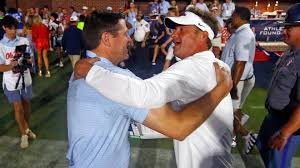
While LSU was supportive of Kiffin finishing his tenure with the Ole Miss Rebels in the playoffs, the feeling was not mutual in Oxford. Mississippi athletic director Keith Carter made a definitive call: no. Despite Kiffin’s desires to see his players through the post-season, the door was shut firmly.
This decision might seem harsh, but in the world of fierce rivalries, it’s simply business. To understand why, we look at the reaction from LSU athletic director Verge Ausberry. In a candid admission, Ausberry revealed that if the roles were reversed, LSU would have done the exact same thing.
“I’d probably be like, ‘Nah, we ain’t doing that. No,'” Ausberry told USA TODAY Sports, admitting that no program wants a rival coach leading their athletes in critical moments.
Why LSU? Evaluating the Hierarchy of Power
Many fans wondered why Kiffin would leave Ole Miss just as they were hitting a stride in the College Football Playoff (CFP) conversation. The answer lies in the perceived hierarchy of the sport. While Kiffin elevated Ole Miss to new heights, the industry generally views LSU as a superior platform.
The disparity in prestige often outweighs current momentum. Kiffin himself acknowledged this reality, noting that while Ole Miss is a powerhouse, the gravitational pull of LSU is simply stronger in the national landscape.
A System in Need of Change?
The drama surrounding Kiffin’s exit highlights a systemic issue in college football. Unlike the NFL, which operates under a unified set of league policies regarding coaching transitions, college football is often a “dog-eat-dog” environment.
Key differences between the models:
- n
- NFL Model: Strict windows for coaching changes and centralized league rules.
- College Model: Chaotic timing, transfer portal freedom, and independent school decisions.
Ausberry suggested that the current calendar is the real culprit, arguing that the system should evolve to prevent coaches from leaving mid-playoff run, ensuring stability for the student-athletes.
Final Thoughts on the Kiffin Era at LSU
Lane Kiffin’s arrival at LSU is more than just a coaching change; it is a testament to the volatile and passionate nature of the SEC. While the bridge to Ole Miss may be singed, Kiffin’s ambition continues to drive him toward the biggest stages in the sport.
As the Tigers prepare for a new chapter, one thing is certain: with Lane Kiffin at the wheel, the drama and the excitement are only just beginning.