Hope Movie 2026: High Ambitions, Deep Disappointments
When a director like Na Hong-jin—the visionary behind The Wailing and The Chaser—announces a project, the cinema world stops to listen. Enter “Hope” (2026), a film that arrived with an unprecedented level of hype, a rumored budget of ₩50 billion (approximately $33 million USD), and a premiere at the prestigious Cannes Film Festival. But does this blockbuster deliver on its promises, or does it collapse under its own weight?
A Masterclass in Tension: The First Act
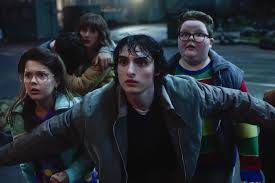
For the first 45 to 60 minutes, the Hope movie 2026 is nothing short of breathtaking. Set in a secluded port town ironically named Hope, located precariously close to the DMZ, the film begins with a chilling atmospheric build-up. When local hunters discover a carcass that reeks of old fish and bears the marks of something massive, the stage is set for a creature feature of epic proportions.
The action sequences are where Na Hong-jin truly shines. The choreography is visceral and tactile, avoiding the sterilized feel of modern Hollywood blockbusters. Key highlights include:
- n
- Immersive Cinematography: Hong Kyung-pyo uses widescreen shots to turn the town’s narrow alleys into a claustrophobic warzone.
- Practical Effects: The use of tangible elements and real locations provides a sense of grit and realism that is rarely seen today.
- Intense Pacing: The early pursuit sequences are a spellbinding mix of terror and adrenaline, echoing the best moments of The Host.
The Great Deflation: The CGI Catastrophe
Unfortunately, the brilliance of the first act serves only to make the subsequent fall more painful. The moment the creature is fully revealed, the movie suffers a catastrophic loss of momentum. In an era where visual effects have reached photorealistic peaks, the monster in Hope feels like a relic from a low-budget Syfy channel production from twenty years ago.
It is genuinely shocking to see an actor of Michael Fassbender’s caliber trapped in scenes with CGI that feels glitchy and unimaginative. The transition from the high-stakes realism of the opening to the artificiality of the creature effects is jarring, likened by many critics to a “video game cutscene from 1998.”
Character Gaps and Plot Holes
Beyond the visual failures, the narrative struggles to sustain its creative propulsion. While the cast is stacked with talent—including Jung Ho-yeon and Zo In-sung—many characters remain one-dimensional. The film introduces a variety of local archetypes, from the power-tripping police chief to the imbecilic yokel, but fails to make the audience truly invest in their survival.
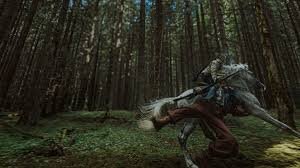
As the story shifts toward the forests of Romania’s Retezek National Park, the plot becomes increasingly muddled. Despite the presence of a stellar international cast including Alicia Vikander and Taylor Russell, the movie fails to explain their significance or give them enough screen time to matter.
Final Verdict: Should You Watch Hope (2026)?
The tragedy of the Hope movie 2026 is that it almost works. It proves that Na Hong-jin is still a master of tension and movement, but it also highlights the dangers of over-reliance on subpar VFX. It is a film of extreme contradictions: a technical triumph in its cinematography and a disaster in its digital execution.
If you are a fan of Korean cinema or the works of Na Hong-jin, it is worth watching for the first hour alone. However, be prepared for a descent from a high-tension thriller into a confusing, CGI-heavy goof.
Hope will be released in theaters via NEON. Will it be remembered as a bold experiment or a cautionary tale of budget mismanagement? Only time will tell.