
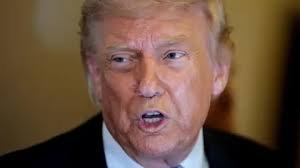
Trump Iran News: ‘Clock is Ticking’ as Peace Negotiations Hit a Critical Impasse
The geopolitical landscape of the Middle East is currently on a knife-edge. In a series of escalating warnings, US President Donald Trump has signaled that the window for a diplomatic resolution with Iran is rapidly closing. With ceasefire agreements hanging by a thread, the world watches closely to see if diplomacy will prevail or if the region is heading toward an unprecedented escalation.
High Stakes and Harsh Warnings
Taking to his Truth Social platform, President Trump delivered a blunt ultimatum to Tehran, stating that the “clock is ticking”. The President emphasized that time is of the essence, warning that if Iran does not move quickly toward a deal, the consequences could be devastating. This rhetoric comes at a pivotal moment, coinciding with strategic discussions between the US administration and Israeli Prime Minister Benjamin Netanyahu.
While the US maintains a hardline stance, Iranian media outlets, including the semi-official Mehr news agency, suggest that Washington has failed to provide concrete concessions. This lack of compromise has led to what many analysts describe as a dangerous impasse in negotiations.
The Clash of Demands: Washington vs. Tehran
The gap between the two nations remains wide, with both sides presenting rigid conditions for a lasting peace. To understand the current state of Trump Iran news, one must look at the conflicting demands:
Iran’s Primary Requirements:
- Total Cessation of Hostilities: An immediate end to the war on all fronts, specifically citing Israeli attacks on Hezbollah in Lebanon.
- End of Naval Blockades: A complete halt to the US naval blockade currently affecting Iranian ports.
- Sovereignty and Reparations: Guarantees against future attacks, compensation for war damages, and recognized sovereignty over the Strait of Hormuz.
The US Position:
Reports indicate that Washington has countered with five strict conditions. Central to these is the demand that Iran limit its nuclear operations to a single site and transfer its remaining stockpile of highly enriched uranium to the United States.
The Nuclear Deadlock: A Potential Compromise?
The nuclear program has always been the primary sticking point. However, there are signs of a strategic shift. President Trump recently suggested he might accept a 20-year suspension of Iran’s nuclear activities rather than demanding a total and immediate termination. This move is seen by experts as a pragmatic attempt to find a middle ground to avoid full-scale conflict.
Global Economic Ripple Effects: Oil and the Strait of Hormuz
Beyond the political rhetoric, the conflict has tangible effects on the global economy. Iran continues to maintain control over the Strait of Hormuz—a vital waterway through which approximately 20% of the world’s oil and liquefied natural gas passes.
The threat of closure or restricted access to this strait, used by Iran as leverage against US and Israeli pressure, has already caused global oil prices to soar, impacting markets from North America to Asia.
Can Mediation Save the Day?
Amidst the tension, Pakistan has stepped in as a mediator, attempting to bridge the divide between Washington and Tehran. However, with Trump labeling recent Iranian demands as “totally unacceptable” and the truce described as being on “massive life support,” the path to peace remains fraught with difficulty.
As the international community looks for stability, the coming days will determine whether the “ticking clock” leads to a diplomatic breakthrough or a catastrophic collapse of the current ceasefire.



