
Tax Crackdown: Texas Attorney General Targets Non-Compliant Cities
In a decisive move to curb rising costs for homeowners, Texas Attorney General Ken Paxton has announced that more than 130 cities across the Lone Star State are prohibited from increasing their property taxes. This aggressive action stems from a failure to comply with state mandates regarding financial transparency and accountability.
The crackdown is part of a broader strategic effort by the Office of the Attorney General to ensure that local governments are not unfairly burdening taxpayers.
The Role of Senate Bill 1851
At the heart of this legal battle is Senate Bill 1851, a piece of legislation championed by the GOP to rein in Texas’s notoriously high property taxes. The law establishes a strict requirement: cities cannot raise property taxes beyond the previous year’s levels unless they meet specific financial obligations.
To legally justify a tax increase, cities must:
- n
- Conduct a comprehensive annual financial audit.
- Release a formal annual financial statement based on that audit.
- Adhere to strict state-mandated reporting timelines.
“I will not allow cities to unlawfully raise taxes on hardworking Texans,” stated Attorney General Ken Paxton, emphasizing that there must be consequences for failing to abide by state audit requirements.
Who is Affected? Big Cities vs. Small Towns
The investigation into financial compliance has revealed a stark divide between large urban centers and smaller municipalities. Major hubs such as Houston, Dallas, Fort Worth, and Corpus Christi were initially probed but were notably absent from the list of non-compliant cities, meaning they have met the state’s rigorous standards.
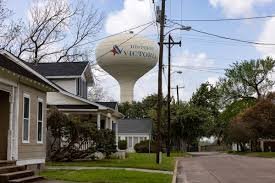
On the other hand, smaller towns are feeling the squeeze. Cities like Alpine, Balch Springs, Victoria, and Wimberley have been identified as non-compliant. The controversy intensifies as officials from smaller districts argue that the 180-day requirement for audits is unrealistic given their limited manpower and shoestring budgets.
The Local Impact and Ongoing Investigations
For many small towns, the inability to collect certain taxes could lead to a severe budgetary crisis, potentially impacting essential public services. Meanwhile, some cities, like Odessa, find themselves in a legal limbo; despite submitting documents to justify tax hikes, they have yet to receive a definitive resolution from the Attorney General’s office.
As the investigation continues, the Texas Attorney General remains steadfast in his mission to hold local governments accountable. For Texans, this represents a pivotal moment in the ongoing struggle to balance local municipal needs with the demand for lower property taxes.
To stay updated on the latest legislative changes and tax laws, you can visit the Texas Legislature Online portal.



