
The Rise of a Super El Niño: How This Weather Pattern Will Shake the Globe
The Pacific Ocean is warming up faster than anyone anticipated, and the signs point to something significant. According to the latest updates from the NOAA Climate Prediction Center, there is a growing probability that we aren’t just facing a standard climate cycle, but a rare and powerful “Super” El Niño by this coming fall or winter.
With a 2-in-3 chance that the peak strength will be “strong” or “very strong,” the world is bracing for a ripple effect that could rewrite the weather forecast for millions of people. But what exactly does this mean for you, and why is this particular el nino weather pattern causing so much concern among scientists?
What Exactly is the El Niño Weather Pattern?
At its core, El Niño is a natural climate cycle. It occurs when the tropical Pacific Ocean warms significantly, triggering a massive shift in atmospheric wind patterns. This isn’t just a local event; it acts like a domino effect, altering weather conditions on a global scale.
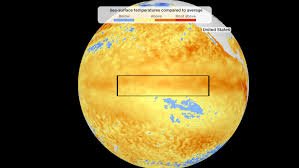
Typically, these cycles occur every two to seven years and last between nine to 12 months. The intensity is measured by how much the water temperature rises above the average in the equatorial Pacific. While a standard El Niño begins at 0.5°C above average, a Super El Niño is classified when temperatures soar more than 2 degrees Celsius above the norm.
Why This Year is Different: The “Super” Threat
Recent data shows a vast pool of warm water accumulating in the depths of the central and eastern equatorial Pacific. As this water rises to the surface, it provides the fuel necessary to kickstart and intensify the phenomenon.
Some computer models suggest this could be the strongest event on record, potentially surpassing the historic 2015-2016 cycle. While there is still some uncertainty regarding the absolute peak strength, the odds of a Super El Niño occurring between November and January have jumped to about 1 in 3.
How a Strong El Niño Impacts Global Weather
A powerful el nino weather pattern doesn’t just raise temperatures; it redistributes moisture and energy across the planet, leading to extreme contradictions in weather.
1. The Hurricane Flip-Flop
One of the most striking impacts is seen in tropical storms. Strong El Niños often create “storm-killing” conditions in the Caribbean and Atlantic, leading to a quieter hurricane season in those regions. However, the opposite happens in the central and eastern Pacific, increasing the threat of hurricanes for Hawaii and the Southwest US.
2. Winter Shifts in North America
For those in the Northern Hemisphere, expect a deviation from the norm:
- n
- Northern US, Canada, and Alaska: Generally experience a warmer-than-average winter.
- Southern US: Often sees cooler temperatures and significantly higher rainfall due to a strengthened jet stream.
3. Global Heat and Drought Extremes
The most concerning aspect is the synergy between El Niño and human-caused climate change. This pattern loads the dice for global temperature spikes, making it highly likely that we will see some of the warmest years on record. Furthermore, regions like India, Southeast Asia, and Southeast Africa may face severe droughts and reduced monsoon rains, increasing wildfire risks and threatening food security.
Staying Informed
While the impacts of El Niño aren’t always predictable—for instance, the 2015-2016 event failed to bring the expected rain to Southern California—the overall trend toward extreme heat is undeniable. To stay updated on real-time climate shifts, you can monitor official data from the National Oceanic and Atmospheric Administration (NOAA) and the NASA Global Climate Change portal.
As the ocean continues to warm, staying informed is the first step in preparing for the unpredictable weather shifts that a Super El Niño brings to our doorstep.



