
A Sudden Shift in US Defense: The Hegseth Troop Withdrawal
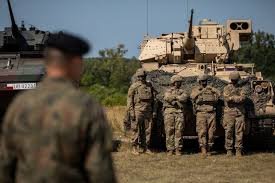
In a move that has sent shockwaves through international diplomatic circles, Defense Secretary Pete Hegseth has abruptly cancelled two major US military deployments to Europe. This decision, which includes a significant Hegseth Poland troop withdrawal, marks a pivot in US foreign policy aimed at pressuring European allies to take more responsibility for their own regional security.
The directive comes amidst ongoing criticism from President Donald Trump regarding the lack of financial and military contributions from NATO members, signaling a “America First” approach to continental defense.
Which Forces are Being Withdrawn?
The scale of these cancellations is substantial, impacting thousands of service members and critical strategic capabilities:
- The 2nd Armored Brigade Combat Team (1st Cavalry Division): This unit was scheduled for rotation through Poland, the Baltic states, and Romania. Personnel already on the ground are now being ordered to redeploy back to the United States.
- Long-Range Missile Capabilities: A specialized battalion focused on long-range rockets and missiles, intended for Germany, has had its deployment scrapped. Furthermore, the command structure overseeing these capabilities in Europe is being dismantled.
In total, approximately 4,700 soldiers from the brigade combat team and over 500 specialists from the missile battalion are affected by these sudden changes.
The Political Catalyst: Frustration with Allies
The motivation behind these moves is rooted in diplomatic tension. According to Department of Defense talking points, the US is frustrated with European nations—and Germany in particular—for not “stepping up” during critical moments. The administration views recent rhetoric from European leaders as counterproductive and unhelpful.
By reducing the footprint of US forces, the Pentagon aims to send a clear signal: European allies must assume primary responsibility for the defense of the continent. This follows a broader trend of reviewing force postures, as noted by the Council on Foreign Relations, which tracks the thousands of US troops permanently stationed in Germany.
A Risky Gamble? Concerns from Capitol Hill and Military Leaders
Not everyone is aligned with this abrupt strategy. The decision has sparked significant concern among lawmakers and high-ranking military officials:
- Bipartisan Alarm: Republican leaders, including Sen. Roger Wicker and Rep. Mike Rogers, have expressed concern, noting that Germany has already increased defense spending to meet US demands.
- The “Wrong Message”: Democratic Senator Jeanne Shaheen described the Hegseth Poland troop withdrawal as “short-sighted,” arguing that it sends a dangerous signal of weakness to adversaries like Vladimir Putin, China, and Iran.
- Ongoing Threats: Gen. Alex Grynkewich, commander of US European Command, has warned that NATO must remain vigilant, as Russia continues to possess a diverse nuclear stockpile and competent ground forces capable of threatening US interests.
What Happens Next?
The legal framework for these withdrawals is complex. Current funding bills mandate that the US maintain a minimum of 76,000 troops in Europe; falling below this threshold requires specific notifications and certifications to Congress.
As the US recalibrates its presence in Europe, the world watches to see if this pressure tactic will successfully force allies to increase their spending or if it will create a security vacuum that adversaries are eager to fill.



