
Understanding the Magic and Intensity of Tucson Weather
If you are planning a visit to the heart of the Sonoran Desert, understanding Tucson weather is the first step to a successful trip. Known for its stunning landscapes and iconic Saguaro cacti, Tucson offers a climatic experience that is as dramatic as its scenery. From scorching summer afternoons to crisp, sunny winters, the weather here dictates the rhythm of life.
Whether you are a digital nomad, a tourist, or someone considering a move to Arizona, here is everything you need to know about the local climate.
The Seasonal Breakdown: What to Expect
Tucson doesn’t exactly have four distinct seasons in the traditional sense. Instead, it fluctuates between extreme heat and mild comfort. Here is the detailed breakdown:
- n
- Spring (March to May): This is widely considered the goldilocks zone. Temperatures are mild, and the desert blooms in a vibrant display of colors. It is the peak season for hiking and outdoor exploration.
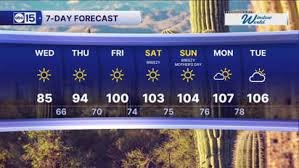
- Summer (June to August): Prepare for the heat. Temperatures frequently soar above 100°F (38°C). However, the dry heat makes it more tolerable than humid climates, provided you stay hydrated.
- Autumn (September to November): The transition is gradual. While September can still feel like summer, October and November bring refreshing breezes and perfect temperatures for outdoor dining.
- Winter (December to February): Tucson is a winter haven. While it can get chilly at night, the days are usually sunny and mild, making it a primary destination for “snowbirds” escaping the northern cold.
The Phenomenon of the Monsoon Season
One of the most unique aspects of Tucson weather is the North American Monsoon, which typically occurs from late June through September. This isn’t just a few raindrops; it is a seasonal shift that brings intense humidity and violent thunderstorms.
During the monsoon, you can experience a clear blue sky turn into a wall of water and lightning in a matter of minutes. These storms are crucial for the desert ecosystem, triggering rapid plant growth and filling dry riverbeds (washes). Pro tip: Always be aware of flash flood warnings when hiking during this period.
When is the Best Time to Visit?
If you want to avoid the extreme temperatures, the best windows to visit Tucson are from October to April. During these months, the weather is ideal for visiting attractions like Saguaro National Park or the Arizona-Sonora Desert Museum.
For those seeking a more adventurous experience (and lower hotel prices), the summer months offer a chance to witness the raw power of the monsoons, provided you plan your activities for the early morning or late evening.
Essential Packing Tips for the Desert
To stay comfortable regardless of the season, keep these essentials in your suitcase:
- n
- Sun Protection: High-SPF sunscreen, a wide-brimmed hat, and UV-protection sunglasses are non-negotiable.
- Hydration Gear: A high-quality reusable water bottle. In Tucson, drinking water is a survival skill, not just a habit.
- Layered Clothing: Even in summer, air conditioning can be freezing, and in winter, the temperature drops significantly once the sun sets.
- Sturdy Footwear: If you plan to explore the trails, wear closed-toe shoes to protect against the heat of the sand and local wildlife.
For real-time updates and official safety alerts, we recommend checking the National Weather Service to stay informed about current conditions and weather warnings in the Arizona region.
Final Thoughts
Tucson weather is a powerful force that shapes the beauty of the Southwest. By preparing for the heat and respecting the power of the monsoons, you can fully immerse yourself in the breathtaking experience that only the Sonoran Desert can provide.



