
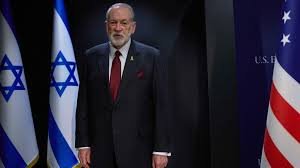
A Historic Shift: Israel Deploys Iron Dome to the UAE
In a move that signals a profound shift in Middle Eastern geopolitics, US diplomat Mike Huckabee has confirmed that Israel has deployed its advanced Iron Dome missile defense batteries, along with specialized personnel, to the United Arab Emirates (UAE). This unprecedented step is designed to bolster the UAE’s defenses against ongoing attacks from Iran.
Speaking at an event in Tel Aviv, Huckabee praised the UAE as a prime example of the success of the Abraham Accords, the landmark agreements signed in 2020 that established formal diplomatic ties between Israel and several Arab nations.
Why the Iron Dome Deployment Matters
The transfer of this technology is a watershed moment for several reasons:
- n
- First External Deployment: This marks the first time Israel has deployed the Iron Dome—funded by billions in US aid—outside its own borders.
- Strategic Contrast: The move stands in stark contrast to Israel’s previous refusal to provide similar defense systems to Ukraine during the Russian invasion.
- Deepening Alliances: It underscores the rapidly evolving security partnership between Abu Dhabi and Jerusalem amid escalating tensions with Tehran.
A Call to Action: “Pick a Side”
During his address, Ambassador Huckabee did not mince words, urging other Gulf states to decide where their loyalties lie. He framed the conflict as a binary choice between the stability represented by the US and Israel and the “radical Shia fanaticism” of the Iranian regime.
“Israel is not your natural enemy… It’s not sending missiles into your civilian territories. Who’s doing that? Iran is,” Huckabee asserted, challenging Gulf leaders to align with the US-led coalition.
Regional Tension and the Saudi Perspective
While the UAE and Bahrain maintain official ties with Israel, other regional powers remain cautious. Saudi Arabia, for instance, has avoided a public military pivot toward Israel despite Iranian threats.
Prince Turki al-Faisal, a former Saudi ambassador to the US, recently suggested that rushing into a direct war with Iran could be catastrophic, potentially leaving the region in ruin and allowing Israel to impose its will unilaterally. This highlights the delicate balancing act Gulf nations must perform to maintain internal stability while facing external threats.
The Road Ahead for US-UAE Relations
The diplomatic momentum continues at the highest levels. Recent communications between Donald Trump and UAE President Mohammed bin Zayed Al Nahyan indicate a continued focus on strategic cooperation and mutual security interests in the Middle East.
As the Israel-Iran conflict intensifies, the presence of the Iron Dome in the UAE serves as both a physical shield and a political statement: the landscape of Middle Eastern security is being rewritten in real-time.
For more updates on Middle Eastern security and global diplomacy, follow reputable sources like Reuters to stay informed on the latest developments.



