
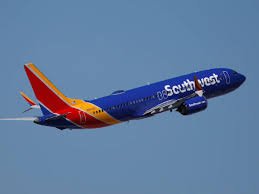
The Moment of Panic: A Cracked Windshield Mid-Flight
Imagine you are settling into your seat on a Southwest Airlines flight, ready for your getaway, when news breaks or a visual cue suggests something is wrong: a cracked windshield in the cockpit. For most passengers, the sight of a fracture in the glass that separates the pilots from the thin air at 30,000 feet is enough to trigger immediate anxiety.
But is a cracked windshield a sign of imminent danger, or is it a managed technical glitch? In the world of aviation, safety is layered, and what looks like a catastrophe to a layman is often a standard procedure for flight crews.
How Aircraft Windshields Actually Work
Unlike your car’s windshield, which is a single piece of laminated glass, airplane cockpit windows are engineering marvels designed to withstand extreme pressure and temperature fluctuations. Most commercial aircraft used by Southwest, such as the Boeing 737, utilize a multi-pane system.
- n
- Outer Pane: Designed to take the brunt of bird strikes or debris.
- Intermediate Layers: These act as structural support and pressure seals.
- Inner Pane: The final barrier that ensures the cabin remains pressurized even if the outer layers fail.
Because of this redundancy, a crack in the outermost layer does not mean the cockpit is open to the elements. It typically triggers a safety inspection rather than an emergency descent.
Southwest Airlines’ Protocol for Windshield Damage
When a cracked windshield on a Southwest Airlines flight is reported, the airline follows strict guidelines mandated by the Federal Aviation Administration (FAA). The process generally follows these steps:
- Assessment: Pilots evaluate the depth and location of the crack. If it is superficial and doesn’t compromise structural integrity, the flight may continue to the nearest hub.
- Precautionary Landing: If there is any doubt about the window’s ability to hold pressure, the crew will divert or land as soon as safely possible.
- Maintenance Review: Certified technicians inspect the glass using specialized tools to ensure no further degradation occurs.
Should You Be Worried During Your Next Flight?
The short answer is: No. Modern aviation is safer than it has ever been. The systems in place to handle windshield damage are rigorous. While a delay caused by a maintenance check can be frustrating, it is a testament to the “safety first” culture of the industry.
For those interested in the technical specifications of how these planes are built to survive extreme conditions, checking the official Boeing documentation provides insight into the resilience of the 737 series.
Final Thoughts
A cracked windshield may make for a viral social media post or a tense few minutes in the cabin, but it rarely compromises the safety of the journey. By understanding the layers of protection and the strict protocols followed by carriers like Southwest, travelers can breathe easier knowing that their safety is backed by science and rigorous regulation.



