
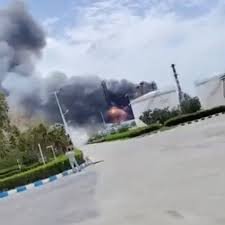
UAE Strikes Iran: Understanding the Geopolitical Shockwaves and Regional Stability
The Middle East has long been a crucible of geopolitical tension, but recent reports regarding UAE strikes in Iran have sent shockwaves through international diplomatic circles and global markets. This escalation marks a significant shift in the security dynamics of the Persian Gulf, raising urgent questions about the future of stability in one of the world’s most volatile regions.
The Catalyst: Why the Escalation Occurred
To understand the gravity of UAE strikes in Iran, one must look at the underlying frictions that have plagued the region. While the United Arab Emirates and Iran have historically sought a balance between economic interests and security concerns, several factors have contributed to this breaking point:
- n
- Maritime Security: Increased tensions over shipping lanes and the protection of oil tankers in the Strait of Hormuz.
- Proxy Conflicts: The ripple effects of regional power struggles involving neighboring states.
- Strategic Deterrence: The desire to signal strength against perceived threats to national sovereignty.
Global Economic Impact: Oil and Trade
Whenever conflict erupts between major Gulf players, the global economy feels the heat. The primary concern following any UAE-Iran military engagement is the volatility of crude oil prices. Since a vast portion of the world’s petroleum passes through the Strait of Hormuz, any disruption could lead to:
- Price Spikes: Rapid increases in fuel costs globally, affecting everything from transportation to manufacturing.
- Supply Chain Disruptions: Delays in shipping and increased insurance premiums for maritime cargo.
- Market Instability: Heightened uncertainty in stock markets, particularly in energy and logistics sectors.
For deeper insights into how global energy markets react to Middle Eastern conflicts, you can follow real-time updates from the Reuters Commodities Market.
The International Response and the Role of the US
The international community, led by the United States and the European Union, typically views such escalations with extreme caution. The US, as a key security partner in the region, faces the delicate task of supporting its allies while preventing a full-scale regional war.
Diplomatic efforts are likely to focus on immediate ceasefires and the establishment of communication channels to prevent accidental escalation. Experts from The Council on Foreign Relations suggest that long-term stability will only be achieved through a comprehensive security framework that addresses the core grievances of all Persian Gulf states.
Final Thoughts: What Happens Next?
The situation regarding UAE strikes in Iran remains fluid. Whether this serves as a temporary deterrent or the start of a broader conflict depends heavily on the diplomatic maneuvers of the coming days. The world watches closely, hoping that diplomacy will prevail over military action to ensure the continued flow of trade and the preservation of human life.



