
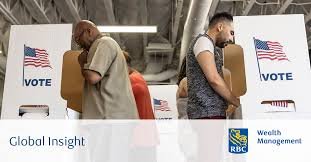
The High Stakes of the United States Midterm Election: A Market Perspective
As the United States midterm election approaches, the political atmosphere is buzzing. Many analysts view this cycle not just as a battle for congressional seats, but as a definitive referendum on “Trump 2.0.” For investors, the question isn’t just who wins the House or the Senate, but how these political shifts ripple through the financial markets.
Understanding the historical intersection of politics and finance is crucial for maintaining a balanced portfolio during times of volatility. Let’s dive into the factors shaping this election and what they mean for your investments.
The Political Battlefield: House and Senate Dynamics
Historically, midterm elections are challenging for the sitting president’s party. Since 1906, the president’s party has rarely gained seats in the House, often seeing significant losses. A key driver here is presidential approval ratings; historically, presidents with approval ratings below 50% see their parties struggle significantly in House races.
Several critical factors are currently influencing the race:
- Open Seats: A high number of incumbents choosing not to run—particularly among Republicans—can create vulnerabilities in previously “safe” districts.
- Gerrymandering: Both parties have attempted to redraw congressional districts to their advantage, though court challenges often complicate these efforts.
- The Senate Advantage: While Republicans may have a geographic advantage in the Senate this cycle, shifting polls suggest that several seats are becoming increasingly contested.
The X-Factor: Independent Voters and the Economy
The rise of independent voters is one of the most significant trends in modern U.S. politics. Many voters no longer feel a strict loyalty to the Democratic or Republican parties. For these swing voters, “pocketbook issues”—such as inflation and the cost of living—often outweigh party ideology.
Current polling suggests a growing dissatisfaction among independents regarding the handling of the economy. In a tight race, this discontent could be the deciding factor in tipping the scales of power in Washington.
Decoding the Stock Market: Midterm Patterns and the S&P 500
Does the United States midterm election actually move the needle for the stock market? Historical data from the S&P 500 suggests a recurring pattern:
- The Midterm Lull: Election years typically see the most muted returns of the four-year presidential cycle, averaging around 3.3%.
- The Post-Election Surge: The year following the midterms is often the most robust, with historical average gains jumping to 14%.
- The Dip and Rally: It is common for the market to experience a correction in the 12 months leading up to the election, followed by a significant rally in the subsequent year.
Does Party Control Matter for Returns?
Interestingly, the market often thrives under divided government (where the presidency and Congress are controlled by different parties). This gridlock can actually be a positive signal for equities as it prevents radical policy swings.
Historical data shows that S&P 500 returns have been particularly strong during Democratic presidencies with a split Congress. Conversely, returns have often been more muted when a Republican president faces a split or Democratic-controlled Congress.
Final Verdict: Fundamentals Over Politics
While political trends provide fascinating insights, they are rarely the primary driver of long-term stock prices. For the serious investor, economic fundamentals—such as corporate earnings, interest rates, and recession risks—are far more influential than which party holds the gavel in the House.
The takeaway? Don’t let election-season noise dictate your asset allocation. While the United States midterm election creates short-term volatility, the long-term trajectory of the market is built on economic health, not political slogans.



