The Breaking Point of College Athletics: Chaos or Evolution?
College sports are currently standing at a critical crossroads. What was once a system based on amateurism and educational pursuit has morphed into what President Donald Trump describes as an “out-of-control financial arms race.” With the rise of Name, Image, and Likeness (NIL) deals and a volatile transfer portal, the very foundation of the NCAA is shaking.
Legendary coach Nick Saban, a voice of authority in the collegiate world, has been advising the White House on a new executive order. Saban’s warning is blunt: without immediate federal regulation on athlete eligibility and transfers, college athletics face total financial ruin and systemic “chaos.”
Trump’s Executive Order: A Federal Intervention
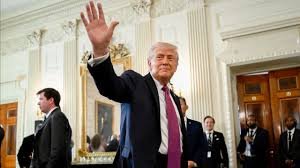
President Donald Trump is ramping up pressure on Congress to overhaul the system before it is “lost forever.” The administration’s goal is to implement sweeping changes to curb skyrocketing costs and stabilize the business of college sports. According to draft documents, the proposed strategy includes several aggressive measures:
- n
- Creation of a Specialized Task Force: A committee with antitrust exemptions to establish national standards, overriding conflicting state laws.
- Media Rights Pooling: A controversial proposal to pool media rights across conferences to maximize value—a move that has already sparked tension between the Big Ten and the SEC.
- Capping Coaching Salaries: Addressing the massive payouts to head coaches to redirect focus toward sustainability.
- Tighter Eligibility and Transfer Rules: Rewriting the rules of the transfer portal to prevent the constant shuffling of players.
The High Stakes: Beyond the Big Games
While the headlines often focus on football and basketball, the White House warns that the current model is driving universities deep into debt. This financial instability doesn’t just affect the “revenue sports”; it directly threatens women’s sports and Olympic athletics, which rely on the stability of the university’s athletic budget.
At stake are roughly 500,000 educational and leadership opportunities and nearly $4 billion in scholarships. The administration argues that if the current trajectory continues, the educational component of the “student-athlete” will vanish entirely.
Addressing the NIL Controversy
The “NIL chaos” has become a primary target of the executive order. The White House is specifically targeting “salary-cap circumvention,” where schools allegedly use third-party NIL deals as a loophole to pay athletes directly, bypassing traditional rules.
To combat this, federal agencies may now evaluate higher education institutions for violations regarding revenue sharing and “improper financial activities,” including fraudulent NIL schemes. For more information on the current state of collegiate regulations, you can visit the official NCAA website.
A Race Against Time
The urgency is palpable. The White House has urged governing bodies to clarify rules by August 1, pushing Congress to act before the traditional August recess. Without a national solution, the financial pressure created by the elite programs could force a complete reshaping of college athletics—or the collapse of smaller programs altogether.
Will federal intervention save the spirit of college sports, or is the era of the student-athlete officially over? One thing is certain: the status quo is no longer sustainable.