
United States Armed Forces: Controversy Surrounds Naval Strikes in the Eastern Pacific
The United States Armed Forces have once again sparked international debate following a series of lethal operations in the Eastern Pacific Ocean. In the latest incident, the US military confirmed the neutralization of two individuals, with one survivor, during a targeted strike on maritime vessels. This event marks the third such operation in May alone, highlighting an aggressive escalation in regional security tactics.
The Role of SOUTHCOM in Pacific Operations
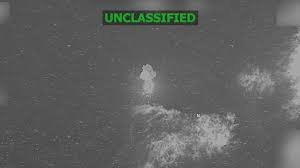
The operation was executed under the oversight of the US Southern Command (SOUTHCOM), the entity responsible for coordinating military activities across Latin America and the Caribbean. In a recent statement, SOUTHCOM released video footage showing a missile striking a moving vessel, resulting in a massive explosion.
According to official military reports, the targeted vessel was operated by what the US classifies as “Designated Terrorist Organizations.” The command stated that intelligence had confirmed the boat was traversing known narco-trafficking routes, asserting that the mission was a direct hit against drug smuggling operations. While the US military confirmed that no American personnel were harmed, the lack of public evidence supporting the “terrorist” designation has raised concerns among observers.
A Rising Body Count and Political Justification
Since the inception of these targeted operations in September, the United States Armed Forces have reportedly killed over 170 people. Although exact figures vary, the scale of the campaign is significant. The Trump administration has defended these strikes by employing a specific legal framework:
- n
- Drug Trafficking as Armed Attack: The administration likens large-scale drug smuggling to an act of war against the US.
- Terrorist Designation: Numerous criminal organizations involved in the drug trade have been reclassified as terrorist entities to justify military intervention.
Legal Concerns and Human Rights Allegations
Despite the government’s stance, the operations have faced fierce criticism from international human rights organizations and legal scholars. Critics argue that these strikes may constitute extrajudicial killings, as they occur outside the framework of a declared state of armed conflict.
Experts suggest that even if the individuals on these vessels were involved in illegal activities, they should be apprehended and processed through a legal judicial system rather than facing lethal military force. This sentiment is echoed by grieving families in Colombia and Trinidad and Tobago, who claim that the victims were not “narco-terrorists,” but rather humble fishermen and informal workers conducting routine journeys across the Caribbean and South America.
Conclusion: Security vs. Human Rights
The actions of the United States Armed Forces in the Eastern Pacific highlight the tension between national security objectives and international law. As the US continues to expand its definition of terrorism to include narco-trafficking, the international community remains vigilant about the potential for collateral damage and the erosion of due process in international waters.



