
The Great Aerospace Tug-of-War: Canada’s Quest for New Fighter Jets
Canada is currently standing at a critical crossroads regarding its national defence. For years, the mission has been clear: replace the aging CF-18 Hornet fleet with a modern, stealthy powerhouse. However, the path to procurement has become a complex geopolitical puzzle involving billions of dollars and the future of Canadian air sovereignty.
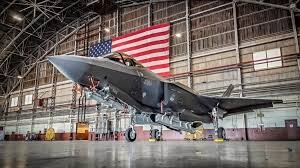
While the Lockheed Martin F-35 Lightning II remains the frontrunner, the Canadian government is navigating a delicate balance between military superiority, surging costs, and a desire for greater independence from U.S. military infrastructure.
The F-35 Stall: Commitment vs. Hesitation
In 2023, the initial plan was ambitious: the purchase of 88 Lockheed Martin F-35A stealth fighters. Fast forward to today, and the commitment has shifted significantly. Currently, Ottawa has firmly committed to only 16 aircraft, though it continues to make long-lead component payments for another 14 to secure its place in the highly competitive production queue.
Why the hesitation? Under the current administration, concerns have mounted over:
- Escalating Costs: Surging prices have forced a rigorous review of the program’s budget.
- Diplomatic Tensions: Deteriorating ties with Washington have made the government wary of total dependence on U.S. tech.
- Strategic Deadlines: The government has yet to set a hard deadline for the final review, leaving the aerospace industry in suspense.
Sovereignty and the Saab Gripen Alternative
This uncertainty has opened a lucrative door for Sweden’s Saab. The JAS 39 Gripen E is being marketed not just as a jet, but as a package of national autonomy. Saab’s pitch is aggressive and tailored to Canadian interests, offering:
- A Localized Data Hub: A proposed secure data centre in Montreal to house mission-critical software and data, staffed by cleared Canadian personnel.
- Economic Boost: A claim that the Gripen programme could support over 12,000 Canadian jobs.
- Rapid Deployment: The promise of first deliveries within just five years.
The core of the debate is sovereignty. While the F-35 offers unparalleled stealth and interoperability with NATO allies, its logistics are deeply entwined with U.S.-based systems. Saab argues that the Gripen provides Canada with more control over its own defence data.
Lockheed Martin’s Counter-Strike
Lockheed Martin hasn’t remained silent. The company emphasizes that the F-35 already has deep roots in Canada, with over 110 Canadian firms contributing to the supply chain. Furthermore, the announcement of an F-35 sustainment depot in Mirabel, Quebec, aimed to alleviate concerns about domestic maintenance and sovereignty.
According to industry data, the projected industrial value of the F-35 programme for Canada could reach C$15.5 billion by 2058, making it a massive economic engine for the domestic aerospace sector.
Looking Toward the Future: GCAP and Mixed Fleets
As Ottawa weighs its options, a “mixed-fleet” approach remains on the table—combining a small number of F-35s with a larger fleet of Gripens. However, this would introduce immense logistical complexity, requiring two separate training pipelines and maintenance systems.
Interestingly, Canada is already looking beyond the current generation. By taking observer status in the Global Combat Air Programme (GCAP)—a sixth-generation fighter initiative involving the UK, Italy, and Japan—Canada is signaling that it may eventually move away from its heavy reliance on U.S. military infrastructure altogether.
Final Thoughts
Whether Canada ultimately chooses the Lockheed Martin F-35 Lightning II, the Saab Gripen, or a hybrid model, the decision will define the nation’s aerial defence for the next four decades. For now, Ottawa continues to play a careful game of aerospace diplomacy, keeping its options open while the clock ticks on the CF-18s.



