
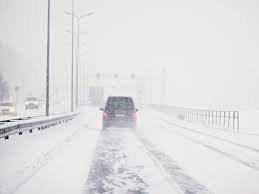
Winter Storm Warning: Your Essential Guide to Staying Safe and Prepared in Canada
When a winter storm warning is issued, it’s more than just a forecast for snow—it’s a call to action. In Canada, where winter weather can shift from a light flurry to a blinding blizzard in minutes, being prepared is not just a convenience; it is a necessity for safety.
Whether you are living in the Prairies, the Maritimes, or the urban centres of Ontario and Quebec, understanding how to react to these warnings can save lives and prevent costly damages to your home.
What Exactly is a Winter Storm Warning?
A winter storm warning is typically issued by Environment Canada when hazardous winter weather is expected to occur. Unlike a “watch,” which means conditions are favorable for a storm, a “warning” means the storm is imminent or already occurring.
These warnings usually involve a combination of heavy snowfall, strong winds, and plummeting temperatures, leading to reduced visibility and dangerous travel conditions.
Essential Winter Storm Preparation Checklist
Don’t wait until the first snowflake falls to start preparing. Ensure you have the following essentials ready in your home and vehicle:
For Your Home:
- Emergency Lighting: Flashlights, lanterns, and plenty of extra batteries (avoid candles to prevent fire hazards).
- Non-Perishable Food: A three-day supply of canned goods, energy bars, and water.
- Warmth: Heavy blankets, sleeping bags, and layers of wool clothing.
- First Aid Kit: A fully stocked medical kit including essential prescription medications.
- Backup Power: A portable power bank for your mobile devices to stay connected to emergency alerts.
For Your Vehicle:
- Winter Tires: Ensure your vehicle is equipped with winter-rated tires for maximum traction.
- Emergency Kit: A shovel, ice scraper, sand or kitty litter (for traction), and jumper cables.
- Warm Gear: Keep a heavy coat, gloves, and a blanket in the trunk in case you become stranded.
Safety Tips During the Storm
Once the winter storm warning is in effect, the goal is to minimize risk. Follow these guidelines to stay safe:
- Stay Indoors: Avoid unnecessary travel. If you must go out, ensure someone knows your destination and expected return time.
- Prevent Frozen Pipes: Keep your faucets dripping slightly and open cabinet doors under sinks to let warm air reach the plumbing.
- Dress in Layers: If you need to shovel snow, wear multiple layers of clothing to trap heat and protect your skin from frostbite.
- Monitor Alerts: Keep a radio or smartphone handy for updates from local authorities. For more official guidance, visit GetPrepared.gc.ca.
Driving in a Winter Storm: What You Need to Know
Driving during a winter storm is one of the most dangerous activities in Canada. If you find yourself on the road during a warning:
- Slow Down: Speed limits are for ideal conditions. In a storm, reduce your speed significantly.
- Increase Following Distance: Stopping distances increase on ice and snow. Give yourself plenty of room to brake.
- Avoid Sudden Maneuvers: Hard braking or sharp turns can cause your vehicle to skid.
- Stay Visible: Turn on your headlights and taillights, even during the day.
Conclusion
A winter storm warning can be intimidating, but with the right preparation and mindset, you can navigate the season safely. By securing your home, preparing your vehicle, and staying informed via official channels, you can protect yourself and your loved ones from the harshest elements of the Canadian winter.
Stay warm, stay safe, and always keep an eye on the forecast!



