Cuba Tourism: A Paradise Facing Challenges
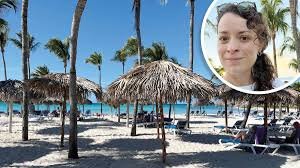
Varadero, Cuba – As tourists reconsider travel to Cuba, a recent visit to an all-inclusive resort reveals a stark contrast between the advertised paradise and the underlying realities. Under the tropical sun, reggaeton music echoes around the grand pool of a five-star Varadero hotel, but the sound is largely lost on an almost empty deck. The tourists, it seems, are elsewhere.
During a visit to Paradisus, the front desk reported only approximately 300 of the 794 rooms were occupied. This is a significant drop from previous occupancy rates, particularly among Quebecois travellers who frequently choose Cuba for their vacations. The atmosphere is undeniably strange in this half-empty hotel. Evening entertainment is cancelled, and some à la carte restaurants remain closed on certain days. On the bright side, beach chairs are plentiful, and the wait for an omelette at breakfast is a mere ten minutes. Mosquitoes, despite extensive fumigation efforts across Varadero, are still present.
The Reality of Shortages
Food shortages, a long-standing issue in Cuba, are acutely felt. At Paradisus, don’t expect french fries or beef, and be prepared for canned pears for dessert. However, as many tourists point out, “you don’t go to Cuba for the gastronomy.” Adding to the challenges, water was cut off for two consecutive days the week prior to my arrival.
These all-inclusive resorts represent bubbles of relative abundance that the Cuban government is determined to protect, ensuring the continued arrival of foreign tourists – and their valuable dollars. Given the uncertainty surrounding Venezuelan oil deliveries to Cuba, concerns about a worsening situation are valid. “Have you had any problems since you arrived? No? That’s it,” Miguel, who organizes catamaran excursions, responded sarcastically when asked about the situation. “Tranquila, nothing will happen to us here,” his colleague, Aleja, at the front desk assured me, within earshot of her supervisor.
Their reassuring responses hold a degree of truth. All-inclusive resorts will likely be among the last to experience significant shortages of food and electricity. However, the daily life of ordinary Cubans is drastically different.
Life Beyond the Resort Walls
“Yes, yes, ‘we have electricity’,” Luis, a waiter, says with air quotes. This father of a one-and-a-half-year-old child quietly confided that he only had electricity for three hours the previous day at home, significantly disrupting his daily routine. While few employees will openly admit it, this is a common experience in the town of Santa Marta, just 20 km from the resort.
As my departure day arrived, new tourists disembarked from the airport bus and settled in for their well-deserved vacations. Meanwhile, bronzed Quebecois stretched out their towels on the beach, soaking up the sun as usual. Life at the resort continued seemingly unaffected.
As my stay in Varadero concludes, one question lingers: how long can this continue? The future of Cuba tourism hangs in the balance, a delicate interplay between the allure of paradise and the harsh realities of the present.
Source: La Presse