Eric Kripke Defends Character-Driven Drama in The Boys’ Epic Final Season
As any legendary series approaches its curtain call, the pressure to deliver a spectacle is immense. For The Boys, the challenge isn’t just about ending the story—it’s about ensuring the journey feels earned. Showrunner Eric Kripke is currently navigating the delicate balance between explosive plot twists and the intimate character development required to make those twists matter.
Character Over Chaos: The Kripke Philosophy
In a recent candid discussion, Eric Kripke addressed the online discourse regarding the pacing of the fifth and final season. While some viewers have expressed dissatisfaction with the lack of constant battle scenes, Kripke argues that action without emotional stakes is hollow.
“None of the things that happen in the last few episodes will matter if you don’t flesh out the characters,” Kripke asserted. “If it’s just shapes moving without any import, it would be empty and dull.”
For Kripke, the “business of television” is the business of characters. With a sprawling cast of 14 to 15 major players, he feels a narrative obligation to humanize every individual before the final credits roll.
Deep Dives: Exploring the Psyches of Vought’s Finest
The fifth season has leaned heavily into character-centric storytelling, moving away from the “pew pew” action to explore internal conflicts. Two episodes, in particular, stand out as pillars of this approach:
- n
- “One-Shots”: A perspective-shifting episode that allows viewers to see the search for V1 and the corruption of Vought International through the eyes of Firecracker, Black Noir, Sister Sage, Soldier Boy, and even Terror the bulldog.
- “King of Hell”: An episode where rage-inducing spores forced The Boys to confront and reveal their most hidden inner thoughts, exposing the fractures within the group.
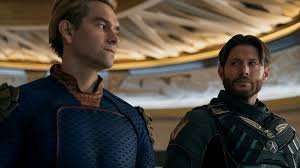
Kripke emphasizes that these aren’t “filler episodes.” Instead, they are essential building blocks. Whether it is evolving the volatile relationship between Homelander and Soldier Boy or highlighting M.M.’s sense of hopelessness, these moments provide the emotional weight necessary for the series’ conclusion.
The Binge-Watching vs. Weekly Release Debate
One of the most interesting insights shared by Eric Kripke is the psychological impact of the release schedule. While he remains a strong proponent of the weekly rollout on Amazon Prime Video—as it encourages community discussion and theory-crafting—he acknowledges that it may amplify perceptions of a “slow” pace.
Kripke suggests that if viewers were bingeing the season in one sitting, the character-driven arcs would feel like a seamless flow rather than a week-long wait between plot beats. However, he stands by the choice, believing that the anticipation adds to the overall experience of the show.
Conclusion: A Legacy of Subversion
The Boys has always been about subverting the superhero genre. By prioritizing the human (and superhuman) psyche over mindless destruction, Eric Kripke is ensuring that the finale of The Boys isn’t just a loud explosion, but a meaningful resolution to one of the most provocative stories on television.
The Boys Season 5 continues to premiere Wednesdays on Prime Video.