
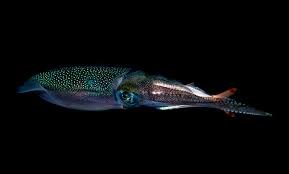
Giant Squid in Australia: How Cutting-Edge eDNA Research is Unlocking Deep-Sea Mysteries
For over a quarter of a century, one of the ocean’s most enigmatic residents had remained hidden from the shores of Western Australia. But recently, the silence was broken. In a groundbreaking discovery that blends marine biology with genetic technology, evidence of the giant squid (Architeuthis dux) has finally resurfaced in Australian waters.
This isn’t just a win for creature enthusiasts; it is the result of a sweeping new survey that is fundamentally rewriting our understanding of life in the ocean’s least explored frontiers. By utilizing eDNA research, scientists are now able to “see” the invisible, detecting species that have evaded cameras and nets for decades.
The Return of a Deep-Sea Legend
The giant squid is a creature of mythic proportions. Growing longer than a school bus, weighing up to 275 kilograms, and possessing eyes the size of large pizzas—the largest of any creature on Earth—it has long captured the human imagination.
For the first time in 25 years, traces of this elusive cephalopod were found off the Nyinggulu (Ningaloo) coast. Researchers identified genetic material shed by the squid across six separate samples taken from two deep submarine canyons. This discovery marks the first record of the species in Western Australian waters using eDNA protocols and the northernmost confirmed record of Architeuthis dux in the entire eastern Indian Ocean.
What is eDNA and Why is it a Game-Changer?
You might wonder how scientists found a squid without actually seeing one. The answer lies in environmental DNA (eDNA). Every marine animal leaves behind a trail of genetic material—skin cells, mucus, or waste—that drifts through the water column.
By collecting water samples and extracting these genetic signatures, researchers can build a comprehensive census of the ecosystem without the need for invasive capturing methods. As Dr. Georgia Nester from the Minderoo OceanOmics Centre explains, eDNA is a transformative tool, allowing a single water sample to reveal hundreds of species simultaneously.
A Biodiversity Goldmine in the Deep
While the giant squid grabbed the headlines, the broader study—led by Curtin University and published in Environmental DNA—revealed a staggering array of life. Exploring the Cape Range and Cloates submarine canyons, which plunge to depths of over 4,500 meters, the team discovered:
- n
- 226 different species across 11 major animal groups.
- Rare deep-sea inhabitants previously unrecorded in the region, such as the sleeper shark (Somniosus sp.) and the faceless cusk eel.
- Deep-diving cetaceans, including the Pygmy sperm whale and Cuvier’s beaked whale.
- Potential new species that have yet to be formally described by science.
The expedition was conducted aboard the Falkor, a state-of-the-art research vessel from the Schmidt Ocean Institute, which allowed the team to collect over 1,000 water samples throughout the water column.
Why This Research Matters for the Planet
The discovery of the giant squid is a thrilling highlight, but the scientific implications go much deeper. Deep-sea ecosystems are currently facing unprecedented pressures from climate change, industrial fishing, and resource extraction.
Associate Professor Zoe Richards emphasizes a critical point: “You can’t protect what you don’t know exists.” By establishing a genetic baseline of these canyons, conservationists can now:
- Guide the planning of marine protected areas.
- Improve the accuracy of environmental impact assessments.
- Monitor changes in biodiversity over time due to warming oceans.
This leap in eDNA research ensures that the mysterious depths of the Indian Ocean are no longer a blank map, but a documented treasure trove of biodiversity that we can now strive to protect for future generations.



