The Bittersweet Farewell to CBS’s ‘Watson’: A Deep Dive into the Series Finale
Fans of the medical drama Watson are mourning a premature end. In a shocking turn of events, CBS has officially cancelled the series, leaving the Season 2 finale to serve as the definitive conclusion to this unique spin on the Holmesian lore. For those still reeling from the emotional rollercoaster, we’re breaking down the twists, the theories, and what could have been.
The Climax: Sacrifice, Visions, and Reality
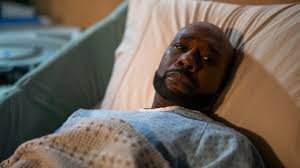
The series finale intertwined the fates of John Watson (played by the charismatic Morris Chestnut) and Sherlock Holmes in a way that felt both inevitable and tragic. Throughout the season, Watson struggled with a glioblastoma, a brain tumor that manifested as vivid visions of Sherlock. However, the finale threw a curveball: a real, flesh-and-blood Sherlock Holmes was admitted to the Holmes Clinic in Pittsburgh.
In a moment of ultimate friendship and professional dedication, Watson made a fateful choice. He abandoned his own life-saving surgery in Baltimore to return to Pittsburgh and treat his disoriented friend. While Watson successfully deduced the cause of Sherlock’s illness, the delay in his own treatment led to a devastating seizure, leaving his fate hanging in the balance.
The Baker Street Mystery: Dream or Destiny?
The show concluded with Watson in the operating room, accompanied by a vision of him and Mary (Rochelle Aytes) living together at the iconic 221B Baker Street in London. This coda has sparked intense debate among the fandom. Was it a glimpse into a happy future, or something more somber?
Creator and executive producer Craig Sweeny revealed that the ending was intentionally ambiguous. Speaking to Deadline, Sweeny explained that the Baker Street sequence could be interpreted as a fantasia—a dying vision Watson experiences while on the operating table. By leaving the interpretation open, the show allows viewers to decide whether Watson found peace or a new beginning.
What Season 3 Would Have Brought
Had CBS renewed the series, the third season would have expanded the world of Watson significantly. According to Sweeny, the planned arc included:
- n
- The Holmes Recovery: Watson would have transitioned into Sherlock’s primary physician, managing the complications of Holmes’ ailment.
- Fellowship Conclusions: The young doctors—Sasha, Stephens, and Adam—would have completed their three-year fellowships, resolving the mystery of Beck’s death and Sasha’s search for her birth mother.
- Scientific Outliers: The show would have continued its tradition of hunting the most strange and amazing scientific medical cases.
A Legacy of Collaboration and Excellence
Despite the cancellation, the production of Watson was a triumph of teamwork. Filmed in the beautiful city of Vancouver and written in Los Angeles, the set was known for its remarkably warm and collegial atmosphere. Sweeny credited Morris Chestnut’s leadership as a primary reason for the positive energy on set.
While the journey ends here, Watson succeeded in blending the clinical precision of a medical procedural with the intellectual curiosity of the Sherlock Holmes universe. For more information on upcoming CBS schedules, visit the official CBS website.
What did you think of the finale? Was the Baker Street vision a dream or a reality? Let us know in the comments!